 Politics
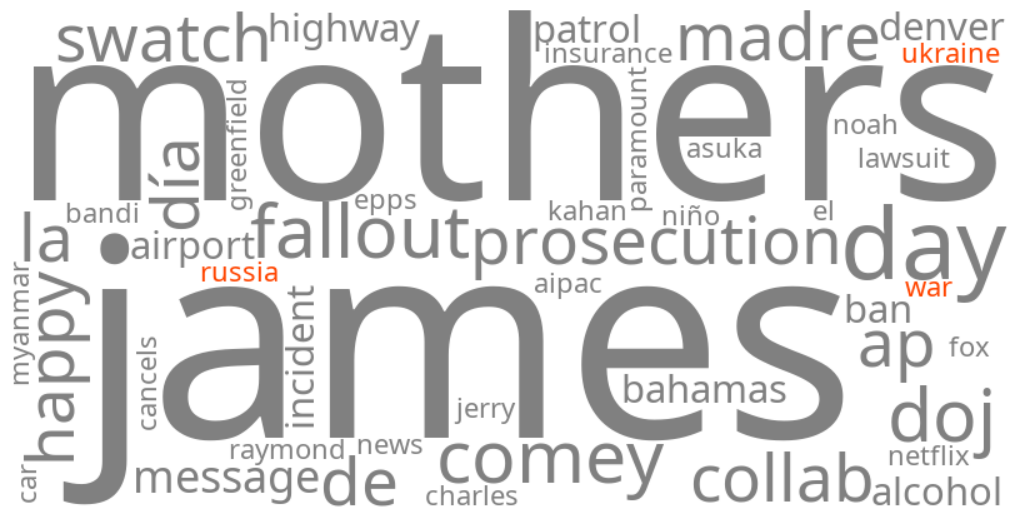
russia ukraine war
Summary (tl;dr)
The Russia-Ukraine war is trending as Russian President Vladimir Putin recently declared the conflict "nearing its end" during scaled-back Victory Day celebrations, amidst a U.S.-brokered three-day ceasefire that both sides have accused each other of violating.
Essential Background
The conflict originated in February 2014 when Russia annexed Crimea and supported separatist movements in Ukraine's eastern Donbas region. This escalated significantly in February 2022 with Russia's full-scale invasion, marking the largest military conflict in Europe since World War II. Since then, the war has led to a severe humanitarian crisis, extensive casualties, and Russia's occupation of approximately 20% of Ukrainian territory, alongside Ukraine maintaining a presence in parts of Russia's Kursk Oblast.
The Full Story
On May 9, 2026, during Russia's annual Victory Day parade in Moscow, President Vladimir Putin stated that the war in Ukraine was "heading to an end," despite acknowledging it remained a serious matter. Notably, the parade was significantly downsized, featuring no heavy military equipment for the first time in nearly two decades, a decision reportedly influenced by security concerns and the deployment of such assets to the battlefield.
These statements coincide with a three-day ceasefire, from May 9 to May 11, brokered by former U.S. President Donald Trump, which also included a proposed exchange of 1,000 prisoners from each side. However, both Russia and Ukraine have reported violations of this truce, with ongoing drone activity and civilian casualties. Recent reports indicate that Russian attacks across Ukraine between May 1 and May 5, 2026, resulted in at least 70 civilian deaths and over 500 injuries across 14 regions. Ukraine has intensified its long-range drone and missile strikes deep into Russian territory, targeting oil infrastructure and military facilities, while Russia has continued its air campaign against Ukraine's energy grid, particularly over the past winter. In a diplomatic development, the EU, Ukraine, and Canada are co-hosting a high-level meeting on May 11, 2026, focused on the return of Ukrainian children forcibly transferred by Russia.
Why It Matters
The continued trend of the Russia-Ukraine war highlights its profound global impact, including an escalating humanitarian crisis, persistent regional instability, and significant economic ripple effects, particularly on international energy markets. The use of increasingly long-range strikes by both nations signifies an expansion of the conflict's reach beyond frontline areas, increasing the risk of wider escalation. Diplomatic efforts, such as the recent ceasefire and discussions around prisoner exchanges, underscore the international community's urgent desire for de-escalation, even as the fragility of such agreements remains evident. The contrasting narratives from Russian and Ukrainian leadership regarding the conflict's trajectory also underscore the deep-seated divisions and formidable challenges to achieving a sustainable peace.
Geographic Location
- Moscow, Moscow Oblast, Russia (President Putin's Victory Day address and press conference, scaled-back military parade)
- Kyiv, Kyiv Oblast, Ukraine (capital city, repeated target of Russian strikes, site of Ukrainian President Zelenskyy's statements)
- Donbas region, Ukraine (ongoing intense combat, areas under Russian control)
- Kursk Oblast, Russia (area where Ukrainian forces reportedly maintain a presence)
- Zaporizhzhia, Zaporizhzhia Oblast, Ukraine (city affected by Russian aerial bomb strikes)
- Kramatorsk, Donetsk Oblast, Ukraine (city affected by Russian aerial bomb strikes)
- Sumy Oblast, Ukraine (region experiencing Russian offensive operations)
- Belgorod Oblast, Russia (region impacted by Ukrainian airstrikes and related infrastructure damage)
- Luhansk Oblast, Ukraine (occupied territory where Ukrainian forces conducted mid-range strikes on Russian military assets and an oil depot)
- Tuapse, Krasnodar Krai, Russia (location of oil refinery attacked by Ukraine)
- Leningrad Oblast, Russia (region experiencing Ukrainian drone activity)
- Dzhankoi, Autonomous Republic of Crimea, Ukraine (under Russian occupation) (drone attack causing casualties)
- Cheboksary, Chuvash Republic, Russia (location of a factory attacked by Ukrainian drones)