 Food and Drink
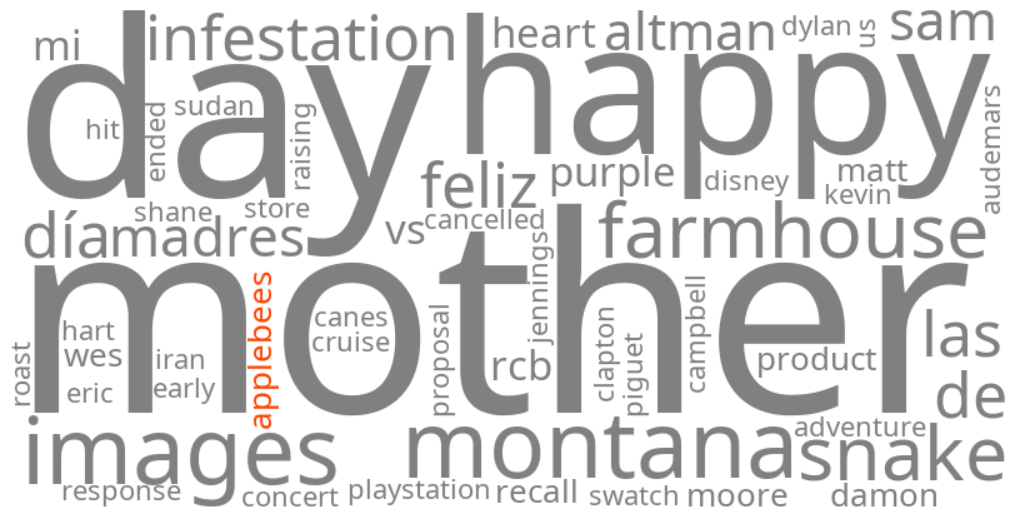
applebees
Summary (tl;dr)
Applebee's is currently trending due to a combination of new, viral menu items like an "even cheesier" O-M-Cheese Burger, ongoing value promotions, and significant restaurant closures across multiple states, reflecting challenges from rising operating costs and shifting consumer spending habits driven by high gas prices.
Essential Background
Applebee's, a prominent casual dining chain, has been navigating a competitive restaurant market for several years, frequently relying on value-driven promotions to attract customers. Earlier this year, its O-M-Cheese Burger gained significant viral traction on social media platforms like TikTok and Instagram, where diners shared videos of the burger served in a "molten cheese pool." Concurrently, the casual dining sector has faced industry-wide headwinds, including elevated food, labor, and occupancy costs, alongside a consumer shift towards quick-service and fast-casual options.
The Full Story
In April 2026, Applebee's announced a slate of new menu items, including an "even cheesier" rendition of its viral O-M-Cheese Burger, now featured on its popular 2 for $25 menu, alongside other new dishes like Loaded Potato Waves and various entrees and salads. This menu refresh aims to maintain momentum and appeal to diners seeking both indulgence and value. However, the chain is also contending with economic pressures, as its parent company, Dine Brands, reported a slowdown in April sales, particularly among lower-income consumers. This decline is largely attributed to rising gas prices, which have surged to around $4-$4.50 per gallon in the wake of the Iran war, impacting discretionary spending.
Compounding these challenges, Applebee's is undertaking significant restaurant closures across the United States. Multiple locations in Indiana, New York, and Missouri have recently closed or are slated for closure. Additionally, a major franchisee, NRPF Group Two, operating approximately 50 Applebee's locations in Florida, Georgia, and Alabama, has filed for Chapter 11 bankruptcy and is seeking court permission to close additional unprofitable restaurants. Despite these closures, Applebee's is also focusing on operational improvements, such as encouraging managers to spend more time interacting with customers in the dining room and implementing new POS systems to enhance service.
Why It Matters
The trending status of Applebee's highlights the dynamic and challenging landscape of the casual dining industry. The success of viral menu items demonstrates the power of social media in driving consumer interest and traffic, while the widespread closures underscore the economic vulnerabilities faced by full-service restaurants due to rising operational costs and fluctuating consumer spending. The impact of external factors like gas prices on discretionary income reveals how broader geopolitical and economic events directly influence the restaurant sector. For consumers, these trends mean a mix of innovative, value-driven menu options and the potential loss of local dining establishments, reflecting a broader reshaping of dining habits and preferences.
Geographic Location
- Pasadena, Los Angeles County, California, United States (Applebee's corporate announcements regarding new menu items)
- Evansville, Vanderburgh County, Indiana, United States (multiple Applebee's restaurant closures)
- Glenville, Schenectady County, New York, United States (Applebee's restaurant closure scheduled)
- Columbia, Boone County, Missouri, United States (Applebee's restaurant closure)
- Florida, United States (additional Applebee's closures by bankrupt franchisee)
- Georgia, United States (additional Applebee's closures by bankrupt franchisee)
- Alabama, United States (additional Applebee's closures by bankrupt franchisee)