 Health
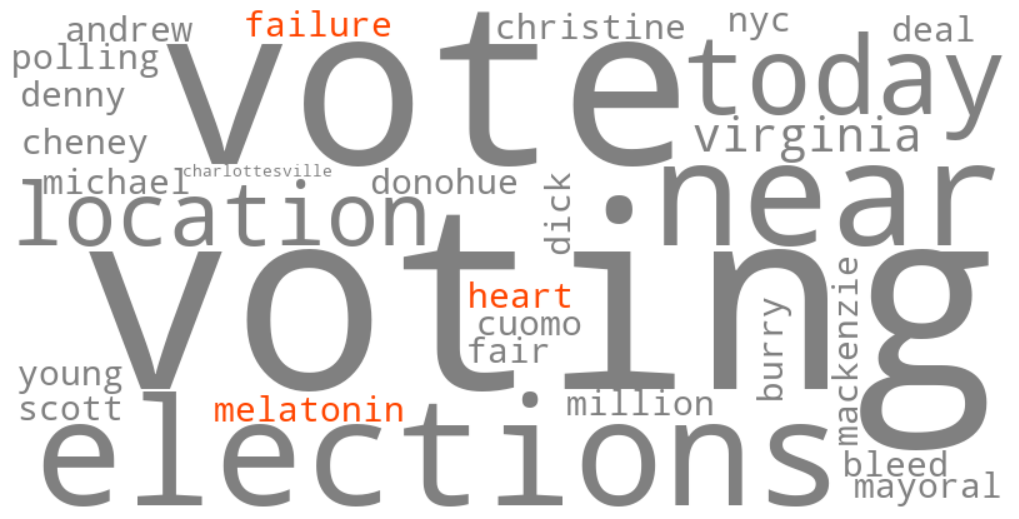
melatonin and heart failure
The keywords "melatonin and heart failure" are currently trending due to recent preliminary research that has raised questions about the long-term safety of melatonin, a widely used sleep aid.
Here's a breakdown of the background and reasons for this trend:
Background: Melatonin is a hormone naturally produced by your body, primarily in the brain's pineal gland, to help regulate your sleep-wake cycle. Many people take melatonin supplements, which are widely available, to help with sleep issues like insomnia or jet lag, often considering it a safe and natural option. Heart failure, on the other hand, is a serious medical condition where your heart can't pump enough blood to meet your body's needs.
Reasons for Trending: The main reason these keywords are trending is because a new preliminary study has found a concerning link between the long-term use of melatonin supplements and an increased risk of heart failure.
- New Research Findings: A recent study, which analyzed health records of over 130,000 adults with chronic insomnia, discovered that individuals who used melatonin for a year or longer had an approximately 90% higher chance of developing heart failure over a five-year period compared to those who did not take the supplement. The study also indicated that long-term melatonin users were nearly 3.5 times more likely to be hospitalized for heart failure and almost twice as likely to die from any cause. These findings are slated to be presented at the American Heart Association's Scientific Sessions 2025.
- Public Concern Over Safety: Melatonin has generally been perceived as harmless, and some earlier research even suggested potential cardiovascular benefits due to its antioxidant properties. However, these new findings contradict that widespread assumption of complete safety for extended use, leading to public concern and a surge in searches as people seek to understand the potential risks.
- Call for More Research: Experts and the study's authors emphasize that this research shows an association, not direct proof that melatonin causes heart failure. They are calling for more extensive studies, including controlled trials, to fully understand the relationship and confirm these preliminary findings. This ongoing scientific discussion contributes to the trending nature of the topic.
- Recommendations for Caution: Given these new concerns, health professionals are now advising caution regarding long-term melatonin use, particularly for individuals with existing heart conditions or risk factors, and recommending they discuss their use with a doctor. This advice encourages people to research and understand more about the potential impact of melatonin on their heart health.