 Law and Government
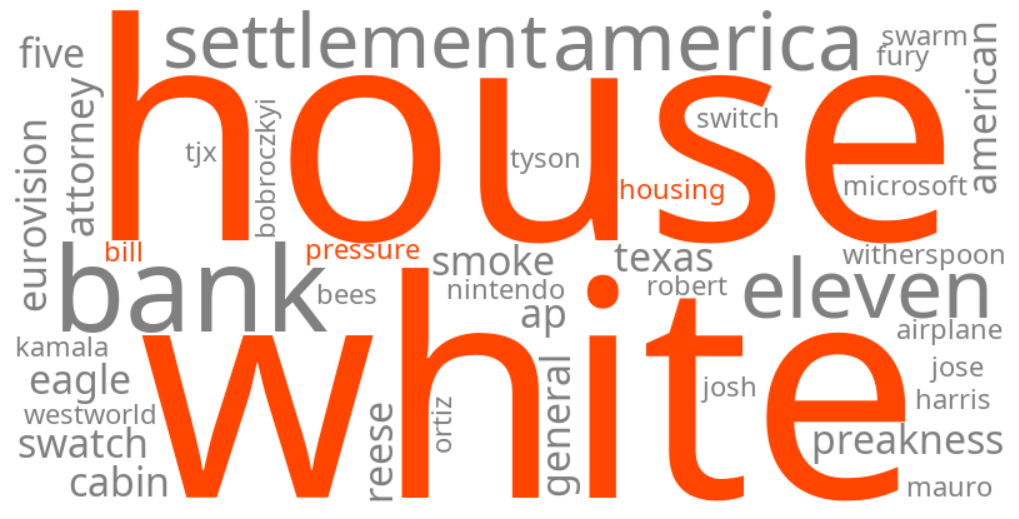
white house housing bill pressure
Summary (tl;dr)
The White House and Congress are under increasing pressure to address the nation's severe housing affordability crisis, leading to ongoing legislative efforts and administrative actions aimed at boosting housing supply and reducing costs.
Essential Background
The United States has been grappling with a deepening housing crisis for several years, characterized by a significant shortage of available homes, rapidly escalating property prices, and rising rental costs, which have made both homeownership and affordable housing increasingly out of reach for many families. This crisis has been intensified by factors such as high inflation, elevated interest rates, increased material and labor costs for construction, and restrictive local zoning regulations.
The Full Story
"White House housing bill pressure" is trending as both the Biden administration and Congress intensify their focus on tackling the housing affordability crisis. President Biden's administration has actively pursued initiatives, including the Housing Supply Action Plan, allocating billions in federal grants for affordable housing and homelessness prevention, and proposing tax credits to help homebuyers, with the goal of adding two million new homes to the market. The White House has underscored housing affordability as a key priority, especially in the lead-up to the presidential election.
Concurrently, comprehensive housing legislation is moving through Congress. The Senate passed the "21st Century ROAD to Housing Act" in March 2026, a bipartisan bill designed to cut regulatory burdens, increase housing supply, and lower costs by streamlining environmental reviews, modernizing manufactured housing rules, and restricting large institutional investors from dominating the single-family home market. In May 2026, the House of Representatives released an amended version of its "Housing for the 21st Century Act" for a potential vote, which similarly seeks to streamline processes, reform federal housing programs, and address issues related to manufactured housing and veterans' housing access. Negotiations are ongoing between the two chambers to reconcile the differences between their respective bills. Additionally, former President Trump signed executive orders in early 2026 aimed at removing regulatory hurdles for affordable home construction and preventing institutional investors from acquiring single-family homes.
Why It Matters
This trend is significant because the outcomes of these legislative and administrative actions will directly impact the availability, affordability, and accessibility of housing for American families, influencing their ability to build wealth and secure stable living conditions. The ongoing debate also highlights a partisan divide in proposed solutions, with some advocating for deregulation and market-based approaches, while others emphasize the need for increased federal investment and targeted support for vulnerable populations. The resolution of these efforts could have profound economic and social implications nationwide.
Geographic Location
- The White House, Washington, D.C., District of Columbia, United States (announcements, policy proposals, executive orders)
- U.S. Capitol Building, Washington, D.C., District of Columbia, United States (congressional legislative efforts and votes)