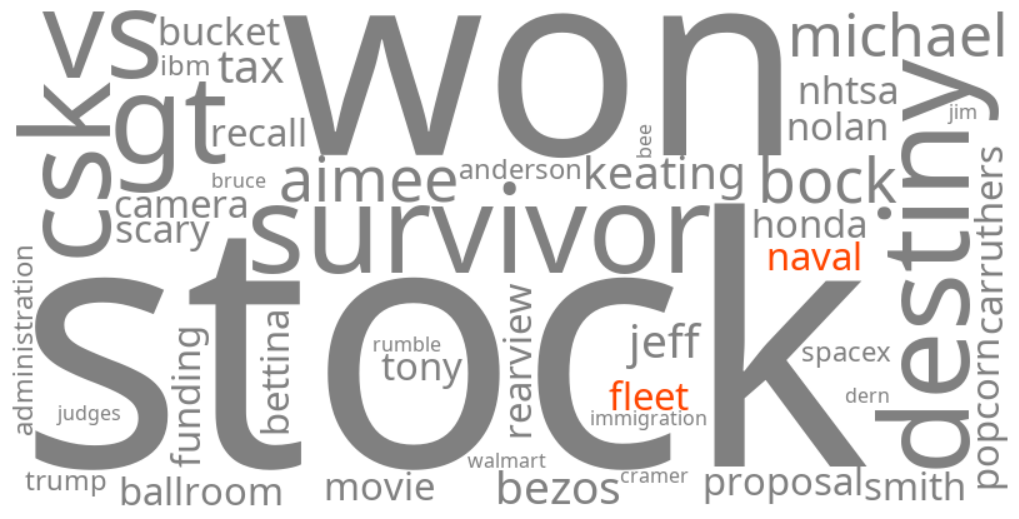
 Law and Government
naval fleet
Summary (tl;dr)
Global interest in naval fleets is surging due to significant policy shifts by major powers, including a massive U.S. Navy expansion plan to counter China, new international maritime law disputes in critical waterways, and fresh sanctions impacting global shipping.
Essential Background
The global maritime landscape has been characterized by increasing geopolitical competition, particularly between the United States and China, alongside ongoing international tensions such as the conflict involving Russia. For decades, the U.S. Navy has maintained a leading role, but concerns have grown regarding its fleet size and modernization needs in the face of expanding naval forces from adversaries. This backdrop includes a sustained push by the U.S. to revitalize its maritime industrial base and ensure naval dominance. Additionally, critical maritime chokepoints, such as the Strait of Hormuz, have long been points of international focus due to their importance for global trade and energy flow, governed by international maritime law.
The Full Story
"Naval fleet" is trending as several critical developments have unfolded in mid-May 2026. The U.S. Navy revealed its May 2026 Shipbuilding Plan, outlining an ambitious expansion to over 450 crewed and autonomous vessels by the early 2030s, dubbed the "Golden Fleet" initiative. This plan, a major government policy, is specifically aimed at strengthening U.S. combat power in the Indo-Pacific, particularly around Taiwan, to counter China's growing naval presence. Concurrently, the U.S. Navy is decommissioning 14 ships in fiscal year 2026 as part of its modernization efforts, retiring older vessels deemed costly or less militarily effective.
In a significant move concerning international maritime law, U.S. President Donald Trump and Chinese President Xi Jinping jointly affirmed during a May 2026 summit in Beijing that the Strait of Hormuz must remain open for energy flow, explicitly opposing any militarization or imposition of tolls. This declaration directly addresses a recent plan approved by the Iranian parliament to impose tolls on ships passing through the strait, a move that violates international maritime law regarding transit passage.
Further impacting global maritime operations, the United Kingdom government implemented new sanctions on May 20, 2026, prohibiting the maritime transportation of Russian Liquefied Natural Gas (LNG) and related services. These measures follow similar actions by the European Union and aim to expand existing controls within the Russia sanctions regime.
Meanwhile, U.S. naval fleets continue active deployments. The USS Gerald R. Ford Carrier Strike Group recently returned to Naval Station Norfolk, Virginia, after a historic 11-month deployment that included combat operations in the Caribbean and Middle East. Additionally, the USS Nimitz aircraft carrier, as part of the "Southern Seas 2026" deployment, conducted a bilateral maritime engagement with the Brazilian Navy in the Atlantic Ocean and made a port call in Rio de Janeiro, Brazil.
Why It Matters
These developments are significant for global security, international trade, and diplomatic relations. The U.S. Navy's ambitious fleet expansion signals a heightened focus on maintaining a strategic advantage, particularly in the Indo-Pacific, which has major implications for regional power dynamics and potential conflict scenarios involving China. The debate over the Strait of Hormuz underscores the fragility of international maritime law and the potential for economic disruption if vital shipping lanes are threatened, impacting global energy markets. The UK's new sanctions on Russian LNG further demonstrate how geopolitical tensions are directly shaping international commerce and maritime logistics. The ongoing long deployments of U.S. carrier strike groups highlight the sustained operational demands on naval forces globally and their role in projecting power and engaging with partner nations. These concurrent events emphasize the critical role of naval power in contemporary international law and government policy.
Geographic Location
- Naval Station Norfolk, Virginia, United States (return of USS Gerald R. Ford Carrier Strike Group)
- Atlantic Ocean (bilateral maritime engagement between Brazilian and U.S. Navies)
- Rio de Janeiro, Rio de Janeiro State, Brazil (USS Nimitz port call)
- Strait of Hormuz (international maritime law dispute over proposed tolls)
- Beijing, China (U.S.-China summit discussion on Strait of Hormuz)
- Iran (parliament's approval of plan to impose tolls in Strait of Hormuz)
- United Kingdom (government imposition of new sanctions on Russian LNG maritime transportation)