 Law and Government
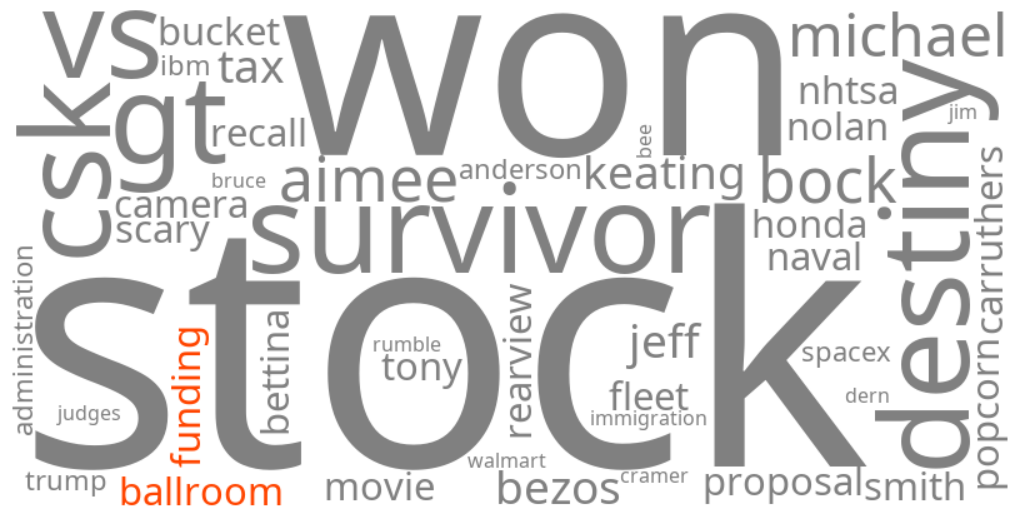
ballroom funding
Summary (tl;dr)
A new $1.8 billion "anti-weaponization fund" from the Justice Department and a separate $1 billion proposal for Donald Trump's White House ballroom security are both drawing intense scrutiny and revolt from Republicans and Democrats, raising concerns about potential misuse of taxpayer funds and political favoritism.
Essential Background
Donald Trump has long claimed that the Department of Justice and other government agencies were "weaponized" against him and his allies during previous administrations. This belief stems from various federal investigations and the leak of his tax returns. Separately, Trump has been undertaking an "East Wing modernization project" at the White House, which includes a ballroom, and has sought federal funding for associated security measures.
The Full Story
Currently, two controversial funding proposals linked to former President Donald Trump are causing a political stir in Washington. The Justice Department recently established a new "Anti-Weaponization Fund" of nearly $1.8 billion as part of a settlement in a lawsuit filed by Trump against the IRS over a leak of his tax returns. This fund is designed to compensate individuals who allege they were unfairly targeted by the government.
Simultaneously, a proposal to allocate $1 billion in taxpayer money for security upgrades related to Trump's White House ballroom project has sparked a "revolt" among some Republican senators. This "ballroom funding" was attempted to be attached to a $70 billion immigration enforcement bill, but the Senate parliamentarian ruled against its inclusion. Trump has since publicly demanded the parliamentarian's firing over this decision. Both the "anti-weaponization fund" and the "ballroom funding" have prompted widespread criticism, with concerns about their legality, transparency, and potential to serve as "slush funds" for Trump's political allies.
Why It Matters
These trending keywords reflect a broader concern over the allocation of taxpayer money and the potential for political influence over government funds. The "Anti-Weaponization Fund" is viewed by critics as a mechanism to reward Trump's supporters, possibly including those involved in the January 6th Capitol attack, raising questions about justice and accountability. The controversy surrounding the "ballroom funding" highlights debates over government spending priorities, especially when tied to private projects and amid broader economic concerns. Both issues are generating significant bipartisan pushback and legislative challenges, underscoring deep divisions within Congress and the Republican party regarding the former President's actions and influence.
Geographic Location
- Capitol Hill, Washington, D.C., District of Columbia, United States (Senate hearings and debates on funding proposals; ruling by Senate parliamentarian; location of federal government agencies)