 Politics
operation epic fury funding impact
Summary (tl;dr)
Ongoing discussions surrounding Operation Epic Fury, a recent US-Israeli military campaign against Iran, are focusing on its substantial financial burden, particularly the estimated $29 billion cost to American taxpayers and its looming impact on the U.S. Navy's budget and readiness. Concerns are mounting over potential disruptions to military training and operations if additional funding is not secured.
Essential Background
Tensions between the United States and Iran have a long history, stemming from the 1979 Islamic Revolution and evolving through concerns over Iran's nuclear program, ballistic missile development, and regional military influence. Prior to Operation Epic Fury, diplomatic efforts to renegotiate a nuclear deal failed in June 2025, and Iran engaged in what the U.S. described as a pattern of aggression, including attacks on U.S. personnel and facilities in Iraq and Syria. This led to active planning for military engagement, with Operation Epic Fury being launched on February 28, 2026, under the direction of President Donald Trump following his re-election in late 2024.
The Full Story
Operation Epic Fury, a joint military initiative by the U.S. and Israel, commenced on February 28, 2026, with the stated goals of dismantling Iran's security apparatus, destroying its offensive missile and production capabilities, incapacitating its navy, and preventing it from acquiring nuclear weapons. The operation, which concluded on May 5, 2026, resulted in significant destruction, the death of Iranian Supreme Leader Ali Khamenei, thousands of casualties across Iran, Lebanon, Israel, and Gulf Arab states, and the displacement of millions.
The financial toll on the United States has been considerable, with the Pentagon's chief financial officer disclosing an expenditure of approximately $29 billion to date, primarily on ordnance, operations, and equipment replacement. This substantial cost has sparked political debate, with Congressman Vicente Gonzalez expressing serious concern that the U.S. Navy could face a severe funding shortfall by July, potentially halting critical training and operations nationwide. On the Iranian side, the conflict has inflicted an estimated economic damage ranging from $50 billion to $300 billion, with a most likely estimate of $144 billion, representing roughly 40% of its pre-war GDP.
Why It Matters
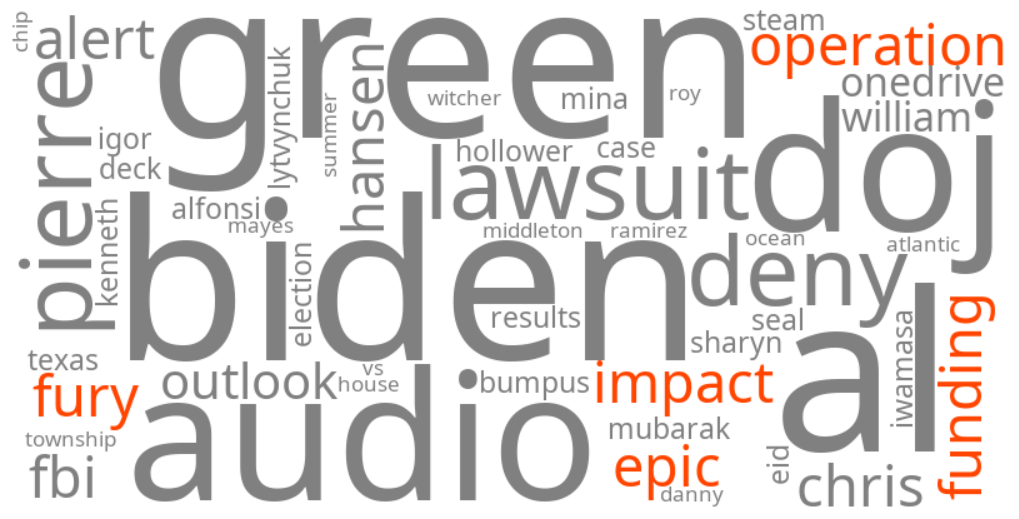
The trending keywords reflect public and political scrutiny over the financial implications and broader impact of Operation Epic Fury. The significant expenditure of nearly $29 billion has prompted calls for a supplemental war funding bill, as the current diversion of funds threatens the U.S. Navy's readiness and ongoing training programs. Beyond the financial strain, the operation has had profound humanitarian consequences, leading to widespread death and displacement across the Middle East. The economic devastation in Iran, estimated at tens to hundreds of billions of dollars, highlights the far-reaching consequences of the conflict. Furthermore, the political motivations and strategic outcomes of the operation continue to be debated, with some analysts questioning its long-term benefits and pointing to potential for increased regional instability.
Geographic Location
- Iran (primary target of military strikes, resulting in casualties and extensive damage)
- Minab, near Bandar Abbas, Hormozgan Province, Iran (location where a missile struck a girls' school, causing civilian casualties)
- Iraq (loss of a U.S. KC-135 aircraft; also site of prior attacks against U.S. personnel and facilities)
- Syria (site of prior attacks against U.S. personnel and facilities by Iranian proxies)
- Lebanon (Iran's allies launched retaliatory strikes, and thousands of people died)
- Israel (joint military operations with the U.S. against Iran, and target of retaliatory missile and drone attacks)
- Gulf Arab states (suffered enormous damage and thousands of deaths; oil and gas facilities attacked; provided infrastructure for U.S. strikes)
- Washington, D.C., District of Columbia, United States (congressional hearings and official discussions regarding the funding and impact of Operation Epic Fury)
- Naval Air Station Kingsville, Kleberg County, Texas, United States (potential impact on naval aviator training due to funding shortfalls)
- Naval Air Station Corpus Christi, Nueces County, Texas, United States (potential impact on naval aviator training due to funding shortfalls)