 Law and Government
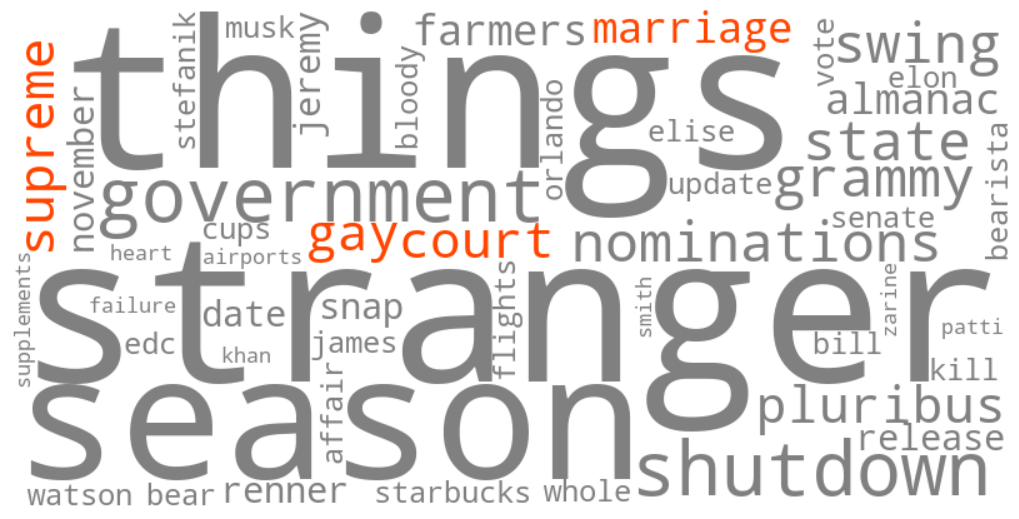
supreme court gay marriage
The keywords surrounding "supreme court gay marriage" are trending primarily due to the ongoing legal and social discussions following a landmark U.S. Supreme Court decision and subsequent challenges to it.
The primary background for these trends is the 2015 Supreme Court case, Obergefell v. Hodges. In this pivotal ruling, the Supreme Court decided that the U.S. Constitution guarantees same-sex couples the right to marry across the entire country. This meant that all states had to allow same-sex marriages and recognize those performed in other states, ending a long period where marriage equality varied from state to state. This decision was a culmination of years of activism and legal battles, building upon earlier rulings that had chipped away at restrictions on same-sex relationships, such as the 2013 case United States v. Windsor, which granted federal benefits to legally married same-sex couples.
Following this nationwide legalization, resistance emerged. A prominent example is Kim Davis, a county clerk in Rowan County, Kentucky, who gained national attention in 2015. Citing her religious beliefs, Davis refused to issue marriage licenses to same-sex couples, leading to lawsuits and her brief imprisonment for contempt of court. Her case became a symbol of the conflict between religious freedom and the newly established right to same-sex marriage.
These keywords are trending currently (as of November 2025) because the debate around same-sex marriage and its legal status is far from over. Kim Davis is once again in the news, as she is appealing her case to the Supreme Court, specifically asking the Court to reconsider or even overturn the Obergefell v. Hodges decision itself. The Supreme Court justices are currently deliberating privately on whether to hear her appeal.
This renewed focus on Obergefell v. Hodges comes after the Supreme Court's 2022 decision to overturn Roe v. Wade, which had previously established a constitutional right to abortion. That decision sparked concerns among many that other long-standing rights, including same-sex marriage, could also be challenged and potentially reversed by the current conservative-leaning Supreme Court. Some Supreme Court justices have even indicated a willingness to revisit Obergefell.
While Congress passed the Respect for Marriage Act in 2022 to offer some protection by requiring states to recognize valid same-sex marriages performed elsewhere, this law doesn't necessarily force states to issue new same-sex marriage licenses if Obergefell were overturned. This means a reversal could create a confusing patchwork of laws again, where same-sex marriage is legal in some states but not others. The ongoing legal challenges and the broader political climate surrounding LGBTQ+ rights keep these terms, and the fundamental questions they represent, actively discussed and searched.