 Politics
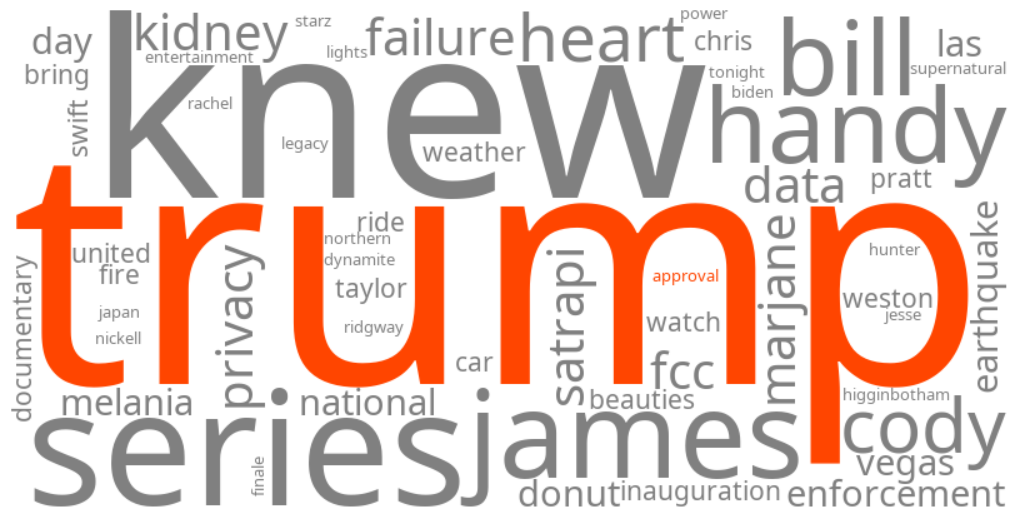
trump approval
Summary (tl;dr)
President Donald Trump's approval ratings are currently declining amidst a series of controversies in early June 2026, including a contentious proposal for an "anti-weaponization fund," ongoing legal challenges to his administration's policies, and a congressional effort to curtail his war powers.
Essential Background
Donald Trump is currently serving his second term as the President of the United States, which commenced in January 2025. Throughout his public life and presidency, his approval ratings have consistently been a key metric reflecting public sentiment and the nation's often polarized political landscape. His administration has been characterized by significant policy initiatives and frequent legal scrutiny, making public perception and approval ratings a constant topic of discussion and analysis.
The Full Story
In early June 2026, searches for "trump approval" and "trump net approval rating" are trending as President Donald Trump's job approval ratings are reportedly experiencing a decline. Recent polls indicate his approval stands in the 38-42% range, with a net approval of -24 percentage points. This trend coincides with a series of high-profile political and legal developments.
A significant point of contention is the administration's proposed $1.8 billion "anti-weaponization fund," intended to provide financial settlements to his allies, including individuals connected to the January 6 insurrection. This proposal has generated strong bipartisan opposition in Congress and has been temporarily blocked by federal judges, with critics labeling it a "breathtaking abuse of the tax and legal system". The President also nominated Todd Blanche, his former personal lawyer, as Attorney General, a move that has drawn criticism given Blanche's role in advocating for Trump's agenda, including the controversial fund.
The Trump administration faces multiple legal challenges, with Democratic-led states suing to block new federal student loan caps and changes to immigration enforcement policies. Furthermore, the Supreme Court is currently deliberating cases concerning birthright citizenship and the extent of presidential authority over independent agencies.
On the legislative front, the U.S. House of Representatives delivered a "stunning rebuke" to President Trump by passing a war powers resolution aimed at curbing his authority in the ongoing, three-month conflict with Iran. This resolution now proceeds to the Senate for consideration. Additionally, the White House has announced intentions to vet public grants based on adherence to "American values," drawing widespread concern. The administration has also implemented executive orders designed to streamline the dismissal of senior policy-influencing federal workers and enhance customs enforcement.
These events are unfolding in the lead-up to the 2026 U.S. midterm elections, where the economy, immigration, and the President's tariff policies are central to the political discourse and are influencing public opinion.
Why It Matters
The heightened public interest in President Trump's approval ratings reflects a national focus on the current political landscape and the implications of his administration's actions. Declining approval ratings can signal diminishing public confidence, potentially hindering the administration's policy initiatives and influencing outcomes in the upcoming 2026 midterm elections. Controversies surrounding the "anti-weaponization fund" and other legal battles raise fundamental questions about governmental transparency, the appropriate use of power, and the rule of law. The congressional efforts to limit presidential war powers highlight significant institutional tensions and ongoing debates concerning U.S. foreign policy and military engagement. Overall, these trending keywords underscore a period of intense political scrutiny and polarization that has considerable implications for American governance and society.
Geographic Location
- Washington, D.C., District of Columbia, United States (Presidential executive orders signed, Attorney General nomination, congressional votes on war powers resolution and anti-weaponization fund, federal court proceedings, Supreme Court decisions)
- Indiana, United States (Republican primary elections)
- Louisiana, United States (Republican primary elections)
- Kentucky, United States (Republican primary elections)
- Texas, United States (Republican primary elections; source of federalized National Guard troops subject to Illinois lawsuit)
- Minnesota, United States (Public school districts sued over immigration enforcement policy)
- Illinois, United States (Sued Trump administration over National Guard deployment plans)
- Iran (ongoing military conflict with the United States)