 Business and Finance
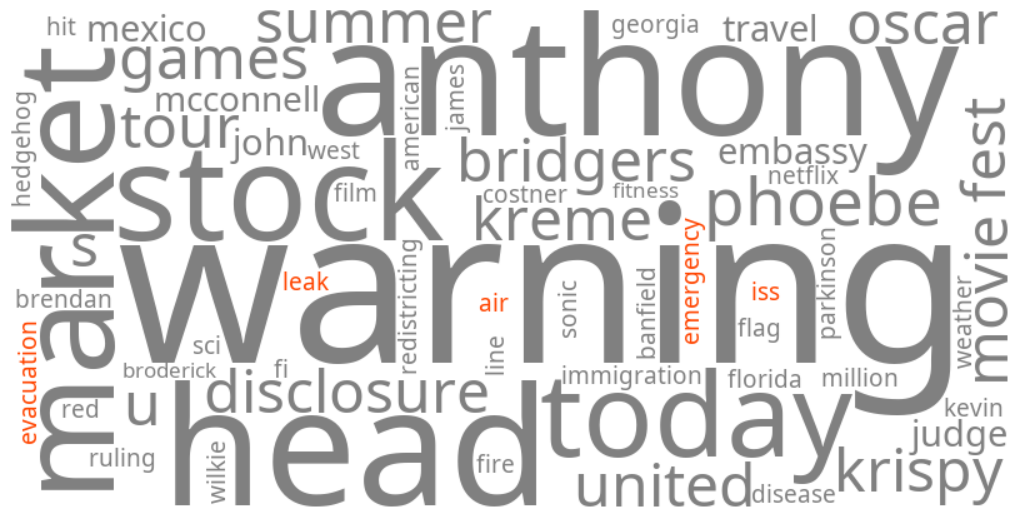
iss air leak emergency evacuation
Summary (tl;dr)
Astronauts on the International Space Station (ISS) were ordered to shelter in their spacecraft and prepare for a potential emergency evacuation due to a worsening air leak in the Russian segment of the station, specifically the Zvezda Service Module. While repairs were attempted, NASA later lifted the "safe haven" order, allowing the crew to return to normal duties as further data on the leak is assessed.
Essential Background
The International Space Station, an orbital laboratory approximately 250 miles above Earth, is a collaborative effort by five partner space agencies: NASA (United States), Roscosmos (Russia), ESA (Europe), JAXA (Japan), and CSA (Canada). The station is divided into two main sections, the Russian Orbital Segment (ROS) and the U.S. Orbital Segment (USOS). Small air leaks in the Russian Zvezda service module have been a known issue since at least 2019, with cracks and leaks in its transfer tunnel being a "top safety risk" identified by NASA's inspector general in 2024. These leaks have been consistently monitored and managed by Roscosmos with periodic partial repairs.
The Full Story
On Friday, June 5, astronauts aboard the International Space Station were directed by NASA to shelter in their docked Crew Dragon spacecraft and prepare for a potential emergency evacuation. This directive was issued "out of an abundance of caution" following an escalation of an air leak in the Russian Zvezda Service Module's transfer tunnel. The leak rate had increased from about one pound of air per day to two pounds, prompting concerns. Russian cosmonauts had detected two potential leak sites during the pressurization of the Zvezda module's transfer chamber, successfully sealing one with a two-component sealant. However, structural repair efforts on the second potential leak were paused by Roscosmos to allow for further measurements and data assessment. Approximately two hours after the initial order, NASA instructed the crew to end the "safe haven" procedures and return to their planned operations aboard the ISS, indicating that the immediate threat for evacuation had subsided. The crew involved in the precautionary measure included American astronauts Jessica Meir and Jack Hathaway, French astronaut Sophie Adenot of the European Space Agency, Russian cosmonaut Andrey Fedyaev, and NASA astronaut Chris Williams.
Why It Matters
The trending keywords highlight the ongoing safety concerns regarding the aging International Space Station, which is expected to be retired around 2030. While the immediate threat of evacuation has passed and crew safety was maintained, the recurring nature of these air leaks in a critical module underscores the challenges of maintaining a complex orbital laboratory for decades. The collaboration between international partners like NASA and Roscosmos is crucial for managing these issues, especially given the continuous human presence on the station for 25 years. This event brings to light the delicate balance of operational safety and the complexities of space station maintenance as the ISS approaches the end of its operational lifespan.
Geographic Location
- Low Earth Orbit (International Space Station, approximately 250 miles above Earth) (air leak and crew shelter)