 Politics
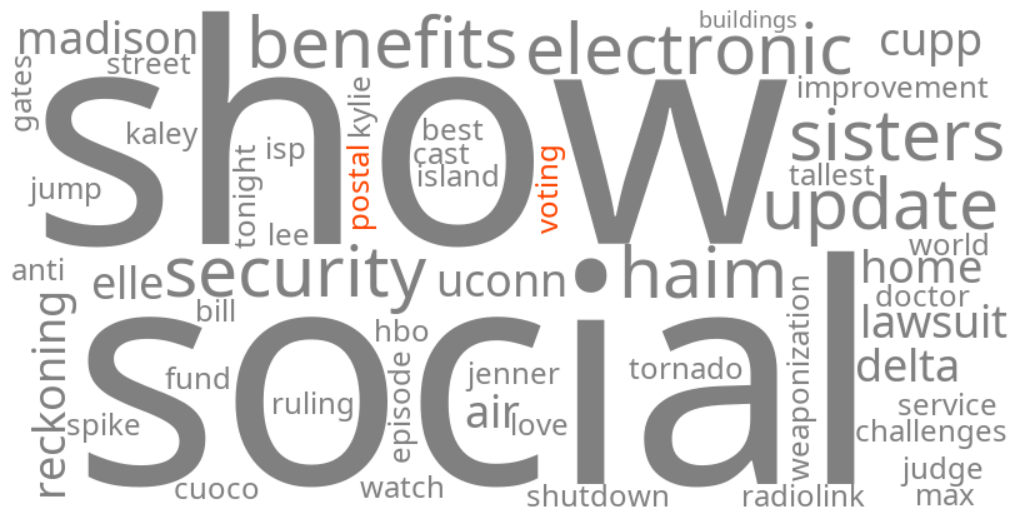
postal voting
Summary (tl;dr)
The U.S. Postal Service (USPS) is moving forward with a plan, stemming from a Trump administration executive order, to refuse delivery of mail ballots for states that do not provide federal authorities with their voter lists. This development is sparking widespread concern and legal challenges regarding voter access and election integrity.
Essential Background
Mail-in voting has been a feature of U.S. elections since the Civil War, originally to allow soldiers to cast ballots from the battlefield. Its use expanded significantly during the COVID-19 pandemic to ensure voter safety and accessibility, leading to record turnout in the 2020 presidential election. However, this expansion also intensified a partisan debate, with some, including former President Trump, raising unsubstantiated claims of widespread fraud associated with mail-in voting. States traditionally hold the constitutional authority to administer elections, including setting rules for mail-in ballots.
The Full Story
"Postal voting" is trending due to a recent executive order issued by President Trump in March 2026, aimed at tightening regulations around mail-in voting. Under this directive, the U.S. Postal Service (USPS) has proposed new rules that would require states to submit lists of voters who are eligible to receive mail ballots, including unique barcodes for outgoing and return envelopes. If states fail to provide these lists, the USPS could refuse to deliver their mail ballots. This proposed rule, published in the Federal Register, is now open for public comment.
A federal judge in Washington D.C. recently declined to block the executive order, stating it was too soon to intervene as implementation details were still unclear, which allowed the USPS to proceed with its proposed rules. In response, a coalition of 23 Democratic-led states, including Washington state and the District of Columbia, along with Democratic Party groups and voter advocacy organizations, are suing to block the directive, arguing it is unconstitutional and could disenfranchise millions of voters. The NAACP has also filed a motion alleging the proposed rule violates a 2021 settlement agreement that mandated timely delivery of election mail. The American Postal Workers Union has expressed alarm, calling the order an "unconstitutional attack" on mail-in voting.
Why It Matters
This trend is critical because it represents an unprecedented attempt by the federal government to assert control over state-run election processes. Critics argue that the directive could make it significantly harder for eligible citizens to vote by mail, potentially leading to voter disenfranchisement, especially for elderly, disabled, and rural voters. It also raises concerns about voter privacy, as the Department of Homeland Security is tasked with compiling lists of voting-age citizens using federal data. The requirement for states to redesign ballot envelopes and implement new tracking systems could impose unfunded burdens on election officials just months before federal elections. Ultimately, the ongoing legal battles and the potential for federal interference in mail ballot delivery could inject chaos into upcoming elections and undermine public confidence in the electoral system.
Geographic Location
- Washington, D.C., District of Columbia, United States (issuance of Executive Order 14399 by President Trump, formulation and publication of USPS mail ballot delivery plan, federal court proceedings, lawsuits filed by states and advocacy groups)