 Business and Finance
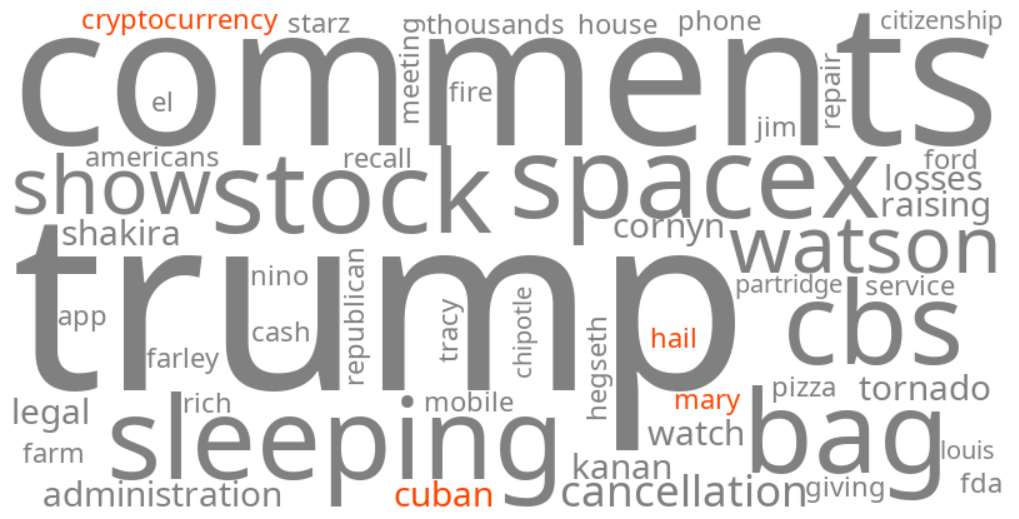
cuban cryptocurrency hail mary
Summary (tl;dr)
Cuba is increasingly turning to cryptocurrency as a "Hail Mary" strategy to bypass stringent U.S. sanctions and alleviate its severe economic crisis, with the government officially recognizing and regulating digital assets.
Essential Background
For decades, Cuba has faced a comprehensive economic embargo from the United States, which has severely restricted its access to international financial systems, trade, and foreign investment. This has led to a struggling state-run economy marked by shortages of basic goods, high inflation, and a dwindling supply of foreign currency. Recent U.S. administrations have further tightened sanctions, limiting remittances and the ability to use traditional payment methods like Visa and Mastercard on the island. This has pushed many Cubans to seek alternative financial solutions.
The Full Story
The keywords "cuban cryptocurrency hail mary" are trending because Cuba is making a desperate, high-stakes move to embrace and regulate cryptocurrencies to circumvent its financial isolation. The Cuban Central Bank officially recognized virtual assets as a legal means of payment in August 2021 and has since established a formal regulatory framework, issuing licenses to virtual asset service providers. This move is largely a response to the ongoing economic crisis and the inability to access traditional international banking services due to U.S. sanctions.
Adding to this trend, recent U.S. Treasury sanctions imposed in June 2026, targeting Cuban President Miguel Diaz-Canel, his wife, and military-affiliated entities, notably did not explicitly address cryptocurrencies or digital assets. This omission is seen as a significant "policy gap" or "strategic gap" that could inadvertently accelerate the adoption and use of cryptocurrencies in Cuba, allowing individuals and now even licensed companies to conduct international payments and transactions outside the traditional financial system. Over 100,000 Cubans had already adopted Bitcoin by mid-2022, primarily to bypass banking restrictions. In March 2026, Cuba's Central Bank approved ten companies, including small and medium-sized enterprises, to use cryptocurrency for international payments, further solidifying this strategy.
Why It Matters
This trend highlights the growing role of decentralized digital assets in challenging traditional geopolitical power dynamics and sanctions regimes. For Cuba, it represents a potential lifeline to alleviate economic hardship, facilitate remittances, and enable international transactions that are otherwise impossible. For the international community, it underscores the complex challenges of enforcing sanctions in an era of rapidly evolving financial technology, as cryptocurrencies offer a means to bypass conventional controls. The situation in Cuba could serve as a case study for other nations facing similar economic isolation, demonstrating how digital currencies can be adopted as a strategic tool in response to external pressures.
Geographic Location
- Havana, Cuba (Cuban Central Bank establishing regulatory framework for cryptocurrency)
- Washington, D.C., District of Columbia, United States (U.S. Treasury imposing sanctions on Cuba)