 Business and Finance
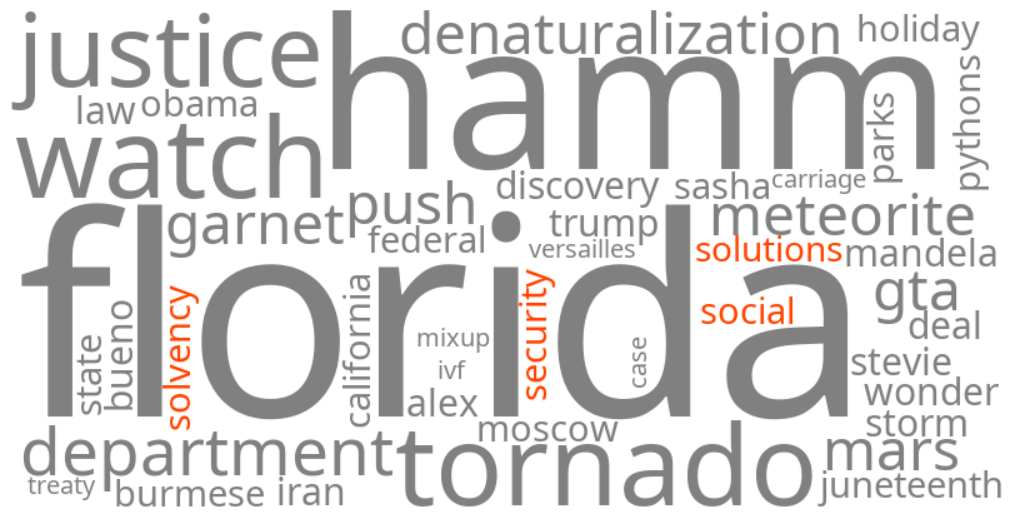
social security solvency solutions
Summary (tl;dr)
Searches for "social security solvency solutions" are trending because the Social Security trust fund is projected to run out of money as early as 2032, potentially leading to automatic benefit cuts for millions of Americans if Congress doesn't act. This looming deadline is driving urgent discussions among lawmakers and the public about various proposals to secure the program's financial future.
Essential Background
Social Security is a crucial federal program in the United States, providing retirement, survivor, and disability benefits to over 70 million Americans. It operates largely on a "pay-as-you-go" system, where current workers' payroll taxes fund the benefits of current retirees and other beneficiaries. However, for over a decade, Social Security has been paying out more in benefits than it collects in taxes, drawing upon its accumulated trust fund reserves to cover the difference. This financial strain is primarily attributed to demographic shifts, including an aging population with more retirees and fewer workers contributing through payroll taxes, lower birth rates, and reduced immigration. The last significant legislative changes to address the program's finances were enacted in 1983.
The Full Story
The Social Security Old-Age and Survivors Insurance (OASI) Trust Fund, which primarily funds retirement benefits, is now projected to be depleted by the end of 2032 or 2033, an acceleration from previous estimates. If Congress fails to pass new legislation before this deadline, federal law mandates that Social Security will only be able to pay out what it collects in ongoing tax revenue, resulting in an automatic reduction of benefits. Experts predict this would mean a cut of approximately 22% to 24% for all beneficiaries, translating to an average monthly reduction of about $500 from the typical payment.
This impending crisis has intensified the search for "social security solvency solutions" as lawmakers and policy analysts propose various strategies. Proposed solutions include increasing the payroll tax rate, currently at 6.2% for both employees and employers, potentially by about 4.6 percentage points, or eliminating the cap on income subject to Social Security taxes (currently $184,500). Other suggestions involve raising the full retirement age to align with increased life expectancy, or modifying benefits by capping them for higher-income individuals (e.g., a "Six Figure Limit" for couples) or adjusting the Cost-of-Living Adjustment (COLA) formula. There are also proposals to tax investment income, such as capital gains and dividends, to bolster the fund. Bipartisan efforts, such as a proposal by Senator Bill Cassidy and others, highlight the need for consensus, as any fix requires 60 votes in the Senate.
Why It Matters
The trend in searches for "social security solvency solutions" underscores the growing public concern over the financial stability of a program vital to millions. The prospect of a 22-24% benefit cut would have profound implications for the 70 million Americans who rely on Social Security, including retirees, survivors, and disabled workers, many of whom depend on these benefits for a significant portion of their income. Such a reduction could push many beneficiaries into financial hardship or poverty. The urgency of the situation is driving a national dialogue, placing pressure on policymakers to overcome political divides and implement a combination of revenue increases and benefit adjustments to ensure Social Security's long-term stability and prevent abrupt cuts for current and future generations.
Geographic Location
- Capitol Hill, Washington, D.C., District of Columbia, United States (location of legislative discussions and proposals regarding Social Security solvency)
- Social Security Administration (SSA) Headquarters, Woodlawn, Baltimore County, Maryland, United States (agency responsible for Social Security, issuing reports on solvency)