 Politics
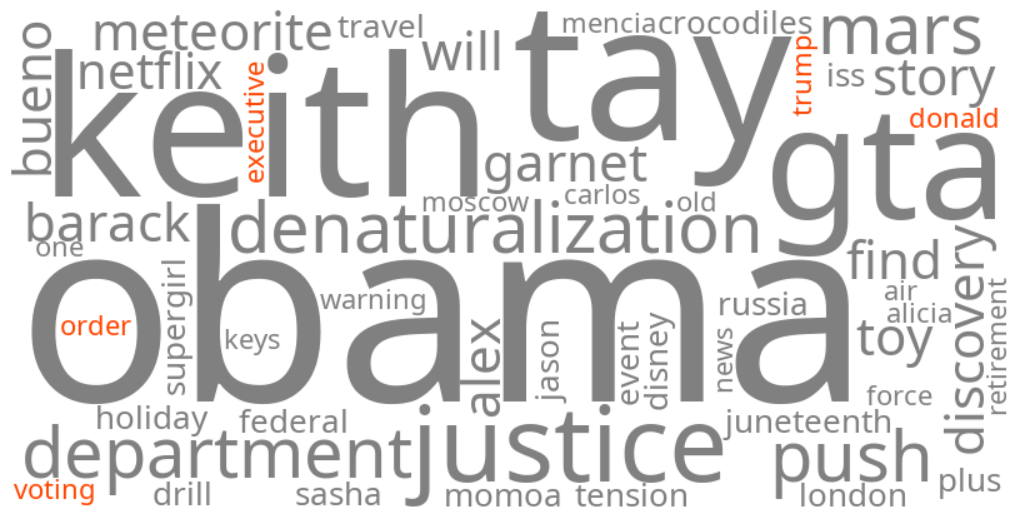
donald trump voting executive order
Summary (tl;dr)
Keywords related to "Donald Trump voting executive order" are trending because a federal court in Boston recently allowed legal challenges to a March 2026 executive order that aims to significantly restrict mail-in voting and establish federal control over voter eligibility lists ahead of the 2026 midterm elections.
Essential Background
In March 2025, former President Donald Trump issued an executive order titled "Preserving and Protecting the Integrity of American Elections," which sought to implement requirements for documentary proof of citizenship to register to vote and mandate that all ballots be received by Election Day. Many provisions of this initial order have been blocked by federal courts. Trump has consistently claimed, without widespread evidence, that mail-in voting is susceptible to fraud, a belief he has used to justify his push for tighter election regulations since his 2020 election loss.
The Full Story
On March 31, 2026, President Trump issued a new executive order, "Ensuring Citizenship Verification and Integrity in Federal Elections," which is currently at the center of trending discussions. This order directs the Department of Homeland Security (DHS) to compile state-by-state lists of eligible voters and instructs the U.S. Postal Service (USPS) to only deliver mail ballots to voters on these federally verified lists. It also threatens criminal investigations and prosecution of state and local election officials who do not comply. On June 18, 2026, a federal court in Boston ruled that nonpartisan voting rights groups and Democratic-led states can proceed with their lawsuits challenging this executive order's impact on the upcoming 2026 primaries and November midterm elections. The court recognized that the Trump administration, DHS, and USPS are actively working to implement the order, which seeks to override existing state election laws.
Why It Matters
This executive order is highly contentious because opponents argue it is unconstitutional, as the power to regulate elections is reserved for states and Congress, not the President. Critics contend that the order’s provisions, such as requiring documentary proof of citizenship and strict mail-in ballot regulations, could disenfranchise millions of eligible American voters, including the elderly, disabled individuals, students, and overseas military personnel. The ongoing legal challenges and the potential for federal agencies to implement these changes are causing significant concern about voter confusion, chaos in election administration, and a perceived undermining of confidence in the electoral system ahead of the critical 2026 midterm elections.
Geographic Location
- Boston, Suffolk County, Massachusetts, United States (federal court allowed legal challenge to proceed)
- Washington, D.C., District of Columbia, United States (executive orders issued from the White House)