 Other
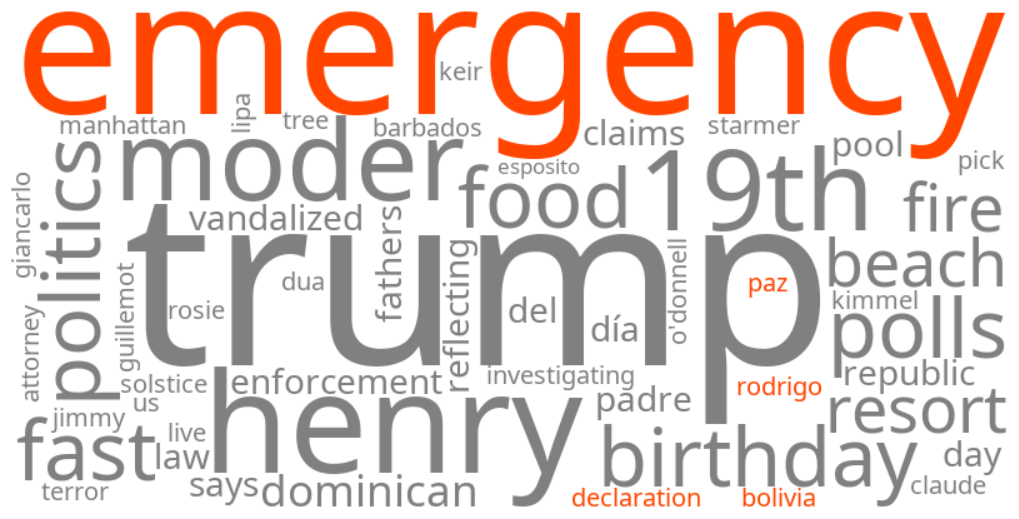
Otherrodrigo paz bolivia emergency declaration
Summary (tl;dr)
Bolivian President Rodrigo Paz has declared a state of emergency to address widespread road blockades and protests that have severely crippled the country's economy for over 50 days. The move authorizes broader military deployment to clear disruptions and restore order amidst escalating public discontent.
Essential Background
Rodrigo Paz assumed the presidency of Bolivia on November 8, 2025, ending nearly two decades of rule by the left-wing Movement Toward Socialism (MAS) party. His election followed a period of significant economic turmoil, characterized by fuel shortages, inflation, and dwindling foreign exchange reserves, which voters largely blamed on the previous administration. Upon taking office, Paz initiated austerity measures, including the contentious decision to cut long-standing fuel subsidies, aiming to reduce the deficit amid a U.S. dollar crunch and ongoing discussions with the International Monetary Fund.
The Full Story
On Saturday, June 20, 2026, President Rodrigo Paz announced a state of emergency across Bolivia in response to persistent anti-government road blockades and protests that have paralyzed the nation's economy for approximately 50 days. Paz stated that the prolonged disruptions had escalated beyond social protest into an organized effort to destabilize Bolivia's democracy. The emergency declaration grants the military expanded authority to clear these blockades and restore the flow of essential goods. This declaration came shortly after Paz secured a deal with the main union, the Bolivian Workers' Confederation (COB), aimed at easing tensions. However, many rural associations, particularly in the Cochabamba area and allied with former president Evo Morales, were not part of these negotiations and have continued their protests. The declaration was facilitated by a recent repeal in May of a law that had previously limited the executive branch's power to issue such emergency orders.
Why It Matters
The state of emergency signals a critical escalation in Bolivia's ongoing crisis, as the government seeks to restore order and economic stability through military intervention. While President Paz emphasizes that the measure aims to "give freedom back to the people" and ensure essential supplies, it also carries the risk of further polarizing an already volatile political landscape. The sustained protests, driven by demands for wage increases and an end to fuel and U.S. dollar shortages, highlight deep-seated public dissatisfaction with the current economic conditions and government policies. The involvement of groups aligned with former president Evo Morales suggests a continued political struggle for influence within the country. The effectiveness of this emergency declaration in resolving the crisis and its long-term implications for Bolivia's democratic stability remain to be seen.
Geographic Location
- La Paz, La Paz Department, Bolivia (Presidential announcement and capital city affected by blockades)
- Cochabamba Department, Bolivia (Region where rural associations aligned with former President Evo Morales are continuing protests)