 Climate
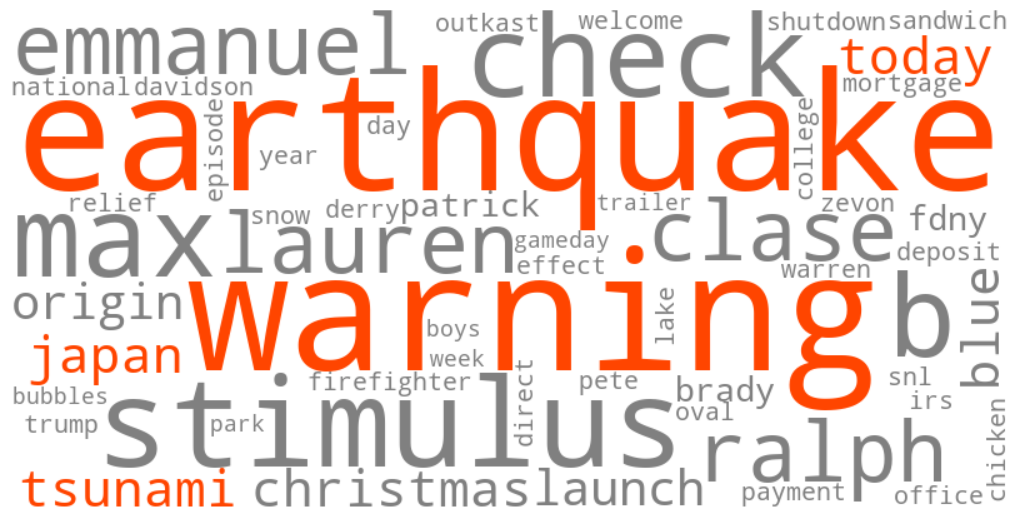
japan earthquake today tsunami warning
Summary (tl;dr)
A powerful magnitude 6.9 earthquake struck off the coast of northern Japan on Sunday, November 9, 2025, prompting tsunami advisories that were later lifted after only small waves were observed.
Essential Background
Japan is located on the "Pacific Ring of Fire," a highly active seismic zone where several major tectonic plates meet, making it one of the most earthquake-prone countries in the world. The region has a history of powerful earthquakes and tsunamis, notably the devastating 2011 triple disaster of an earthquake, tsunami, and nuclear meltdown in Fukushima.
The Full Story
On Sunday, November 9, 2025, a strong earthquake with an upgraded magnitude of 6.9 struck off the coast of Iwate prefecture in northern Japan at approximately 5:03 p.m. Japan time. The earthquake, which had a depth of about 20 kilometers (12 miles), triggered tsunami advisories for coastal areas, with initial warnings of waves potentially reaching up to 3 meters (about 9 feet) in some locations. Small tsunami waves, measuring up to 20 centimeters (8 inches), were observed in several ports in Iwate Prefecture, including Ofunato and Kuji. The Japan Meteorological Agency (JMA) issued advisories for areas along Japan's northern coast, which were subsequently downgraded to tsunami forecasts and then lifted about three hours after the initial quake. There were no immediate reports of injuries, significant damage, or abnormalities at the region's nuclear power plants, though bullet train services were temporarily disrupted. Several aftershocks, some with magnitudes between 4.6 and 6.3, followed the main quake, and the JMA has warned that the area remains at risk for strong quakes for approximately one week.
Why It Matters
The keywords are trending due to the immediate concern for public safety following a significant earthquake in a seismically active region known for its vulnerability to tsunamis. The issuance and subsequent lifting of a tsunami advisory, even for small waves, highlights the importance of Japan's robust early warning systems and public preparedness for such natural disasters. People are searching for updates to understand the extent of the impact, verify the safety of residents, and monitor for further seismic activity, especially given the historical context of the 2011 Fukushima disaster and the ongoing risk of aftershocks.