 Politics
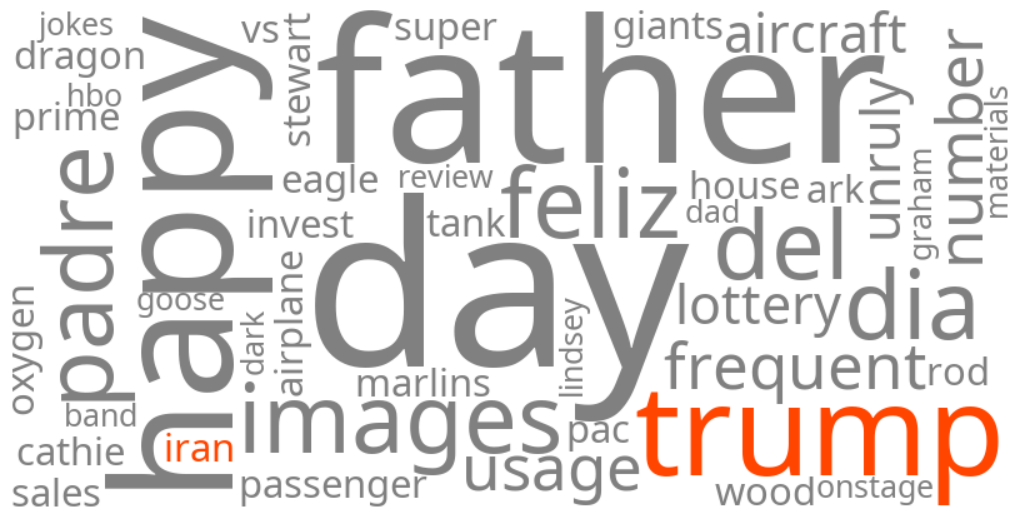
trump iran
Summary (tl;dr)
Amid ongoing peace talks between the United States and Iran in Switzerland, former President Donald Trump has issued severe threats against Iran regarding the closure of the Strait of Hormuz and its support for proxies in Lebanon, contrasting with Vice President JD Vance's more optimistic diplomatic efforts.
Essential Background
Tensions between the United States and Iran escalated significantly, leading to a period of conflict in early 2026, which included US and Israeli strikes on Iranian nuclear sites and a naval blockade of Iran by the US. On June 17, 2026, a preliminary Memorandum of Understanding (MoU) was electronically signed between the US and Iran, following President Donald Trump's meeting with French President Emmanuel Macron at the Palace of Versailles, aiming for an "immediate and permanent" termination of military operations and the reopening of critical maritime routes, including the Strait of Hormuz. This interim agreement established a 60-day ceasefire period for further negotiations on issues such as Iran's nuclear program and sanctions relief.
The Full Story
Despite the recent interim peace deal, the keywords "trump iran" are trending due to heightened tensions and conflicting messages emerging on June 21, 2026. Vice President JD Vance is currently leading US negotiations with Iranian officials in Switzerland, dubbed the "Lake Lucerne Summit," with mediators from Pakistan and Qatar also present, aiming for a broader peace agreement and to "turn over a new leaf" in US-Iran relations. However, these talks are overshadowed by President Donald Trump's aggressive stance; he has threatened Iran with severe repercussions, stating the US would "hit Iran very hard again" if it does not cease supporting its "highly paid PROXIES in Lebanon from causing trouble" and insists the Strait of Hormuz must remain open. Iran's military announced on Saturday, June 20, that it was closing the Strait of Hormuz in response to Israeli strikes on Lebanon, a move that directly challenges the newly signed MoU and has drawn Trump's ire. The negotiations are expected to address key issues, including Iran's nuclear program, sanctions relief, and the ongoing conflict in Lebanon involving Hezbollah.
Why It Matters
This trend is significant because it highlights the fragility of the nascent peace process between the US and Iran, with President Trump's hardline rhetoric potentially undermining diplomatic efforts led by his Vice President. The potential closure of the Strait of Hormuz, a vital global waterway for oil transportation, could severely impact international oil and gas prices and global commerce. Furthermore, the ongoing conflict in Lebanon and the involvement of Iran-backed groups like Hezbollah, coupled with Israeli actions, underscore the broader regional instability that could escalate further if a comprehensive peace deal is not reached. The outcome of these talks will also determine the future of Iran's nuclear program and the lifting of sanctions, with long-term implications for global security and Iran's economy.
Geographic Location
- Bürgenstock Resort, Obbürgen, Lucerne, Nidwalden, Switzerland (location of Lake Lucerne Summit and US-Iran peace talks)
- Tehran, Tehran Province, Iran (Iranian delegation's departure point for talks, Iranian President's statements)
- Strait of Hormuz (Iran's military announced its closure, a critical international shipping lane)
- Lebanon (site of Israeli strikes and activities involving Iran's "proxies" like Hezbollah, a key point of contention in talks)
- United States (nation involved in talks, President's statements, Vice President leading delegation)
- Palace of Versailles, Versailles, Yvelines, Île-de-France, France (location where interim Memorandum of Understanding was signed by President Trump)