 Climate
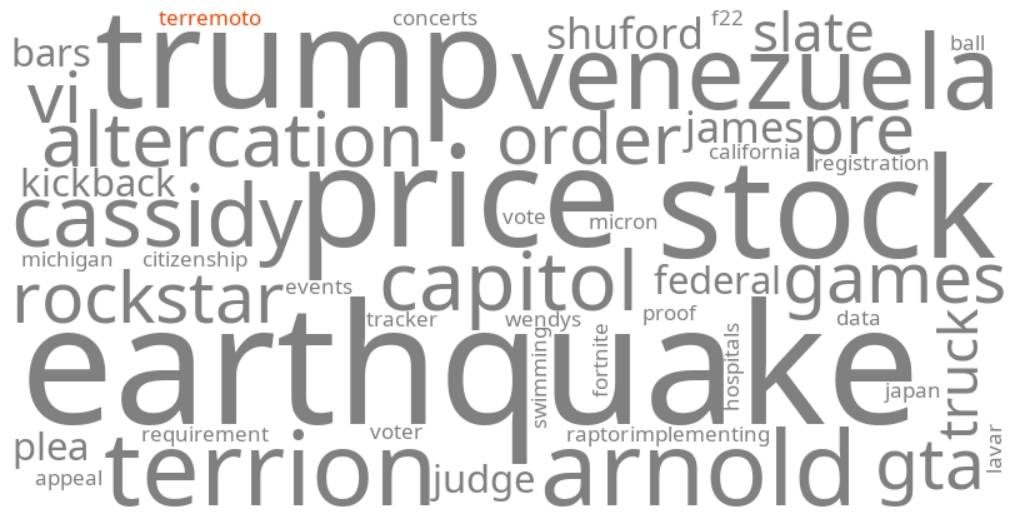
terremoto
Summary (tl;dr)
Venezuela has been struck by two powerful earthquakes, leading to at least 32 deaths, over 700 injuries, widespread destruction of buildings, and the declaration of a state of emergency.
Essential Background
Venezuela is situated in a highly seismically active region, positioned along the boundary where the Caribbean and South American tectonic plates interact. This geological setting makes the country particularly susceptible to frequent and strong earthquakes, with an estimated 80% of its population residing in areas vulnerable to seismic activity. Historically, Venezuela has experienced several significant earthquakes, including destructive events in 1900, 1967, and 2018.
The Full Story
On Wednesday, June 24, 2026, a "seismic doublet" of two major earthquakes, with magnitudes of 7.2 and 7.5, struck Venezuela just 39 seconds apart, primarily affecting the northern parts of the country. The shallow depth of the tremors intensified their impact, causing severe shaking across a broad area that included the capital, Caracas, and other states such as La Guaira, Carabobo, Aragua, Miranda, Falcón, and Yaracuy. Venezuelan President Delcy Rodríguez has confirmed at least 32 fatalities and over 700 injuries, although these figures are provisional, with the state of La Guaira particularly hard-hit and declared a disaster zone. Numerous buildings have collapsed or suffered extensive damage, leading to widespread panic and mass evacuations. The government has responded by declaring a state of emergency, suspending classes, and halting non-essential activities to prioritize rescue and recovery operations. In the aftermath, several countries, including the United States, Ecuador, and India, have extended offers of international assistance. The U.S. Geological Survey (USGS) has issued a Red Alert, estimating a 42% probability of the death toll ranging between 10,000 and 100,000, based on their probabilistic models.
Why It Matters
The surge in searches for "terremoto" and related terms highlights the immediate and grave concern among the Venezuelan public and the international community following this major natural disaster. The confirmed casualties and extensive damage underscore the significant human cost and the vulnerability of infrastructure in a seismically active nation. The government's declaration of a state of emergency and the swift offers of international aid emphasize the severity of the situation and the urgent need for humanitarian assistance and disaster relief. Furthermore, the concerning projections from the USGS regarding potential fatalities, while not official counts, amplify fears and stress the critical importance of ongoing rescue efforts and long-term recovery planning. This event also serves as a critical reminder of Venezuela's inherent seismic risk and prompts discussions on building codes and disaster preparedness.
Geographic Location
- State of La Guaira, Venezuela (most affected area, dozens of collapsed buildings, declared a disaster zone)
- Naiguatá, La Guaira, Venezuela (epicenter of a reported aftershock)
- Montalbán, Carabobo, Venezuela (epicenter of main earthquake)
- Morón, Carabobo, Venezuela (near the epicenter of the main earthquake)
- San Felipe, Yaracuy, Venezuela (near the epicenter of a precursor earthquake)
- Yumare, Yaracuy, Venezuela (epicenter of the main earthquake)
- Caracas, Capital District, Venezuela (widespread panic, building damage, evacuations, particularly in Los Palos Grandes and Altamira neighborhoods)
- Altamira, Chacao Municipality, Caracas, Capital District, Venezuela (buildings collapsed)
- Los Palos Grandes, Chacao Municipality, Caracas, Capital District, Venezuela (buildings collapsed)
- Maiquetía, La Guaira, Venezuela (Aeropuerto Internacional de Maiquetía closed due to severe damage)