 Jobs and Education
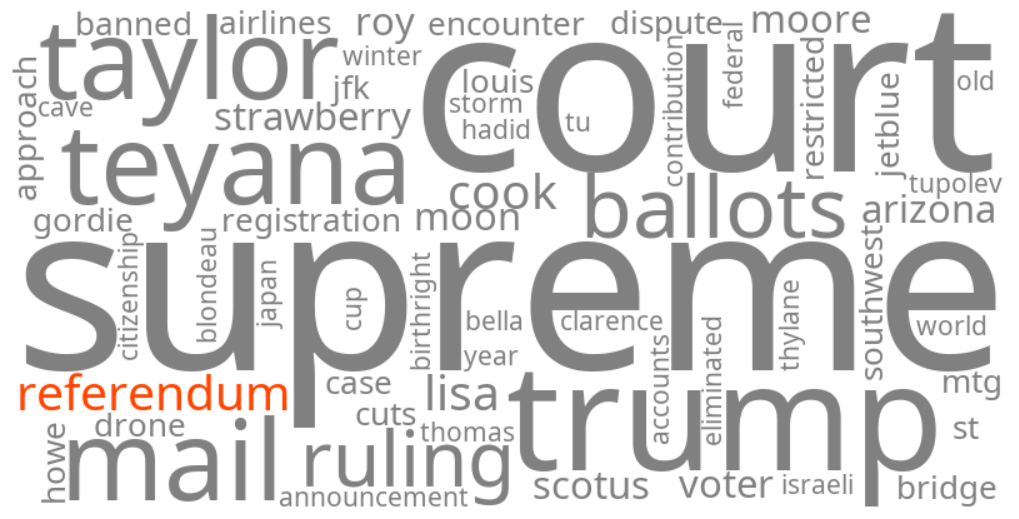
referendum
Summary (tl;dr)
Across the United States, "referendum" is trending due to numerous local school districts proposing ballot measures to secure increased property tax funding for educator salaries, staff retention, and essential student programs, while nationally, a high volume of diverse ballot initiatives and referendums are certified for upcoming elections, addressing various political and economic issues.
Essential Background
Referendums are a direct vote by the electorate on a particular proposal or law, often initiated by citizens or legislative bodies. In the U.S., these are frequently seen as ballot measures at the state and local levels, where voters decide on issues like tax increases, bond measures, or constitutional amendments. Many school districts periodically rely on these mechanisms to supplement state funding, especially for operational costs and salary enhancements.
The Full Story
The keywords "referendum," particularly in the context of "Jobs and Education" and "Politics," are trending due to a surge in local school districts across the United States seeking voter approval for increased property taxes. These referendums aim to boost teacher and support staff salaries, improve employee retention, and fund critical programs such as special education, arts, technology, and school safety initiatives. Many districts, like Indianapolis Public Schools and Kenosha Unified School District, are facing projected budget deficits and state underfunding, making these local tax measures crucial for maintaining educational quality and staffing levels.
Concurrently, a significant number of statewide ballot measures, encompassing various political topics, are certified for upcoming elections in 2026 across at least 39 states. These range from proposals concerning taxation and economic development to voting rights, healthcare, and criminal justice. For example, California has initiatives related to renewing income tax for education funding and establishing a second mortgage homebuyer program. Internationally, countries like Switzerland and Iceland also have referendums scheduled for June and August 2026 respectively, while Taiwan is actively debating several opposition-led referendum proposals on issues such as the death penalty, nuclear power, and absentee voting.
Why It Matters
These trending referendums are critical as they directly impact the quality of education, job stability for school employees, and the financial burden on taxpayers. For school districts, successful referendums mean retaining skilled educators and staff, maintaining vital student programs, and enhancing school safety, while unsuccessful ones could lead to increased class sizes, program cuts, and staff reductions. On a broader political scale, the numerous ballot measures across the U.S. highlight significant policy debates and citizen engagement in shaping laws and constitutional provisions, influencing everything from local economic conditions to civil liberties. The outcomes of these votes will determine significant funding allocations and policy directions for years to come.
Geographic Location
- Indianapolis, Marion County, Indiana, United States (school property tax referendum for education funding)
- Carmel, Hamilton County, Indiana, United States (school property tax referendum for education funding)
- Fort Lauderdale, Broward County, Florida, United States (school property tax referendum for teacher and staff pay, mental health, and safety)
- Pinellas County, Florida, United States (school district referendum for teacher and support employee salary supplements)
- Polk County, Florida, United States (school property tax referendum for recruitment and retention of school-based employees and student programs)
- Kenosha, Kenosha County, Wisconsin, United States (potential operational referendum to address school district deficit)
- Taipei, Taiwan (news conference regarding opposition-led referendum proposals)
- Switzerland (national referendums scheduled)
- Iceland (national referendum scheduled)
- California, United States (various statewide ballot initiatives, including education funding and economic programs)
- Colorado, United States (statewide ballot measures, including citizen-initiated initiatives)
- North Carolina, United States (constitutional amendment proposal to reduce income tax rate cap)
- New York City, New York, United States (primary and general elections, including potential ballot proposals)