 Climate
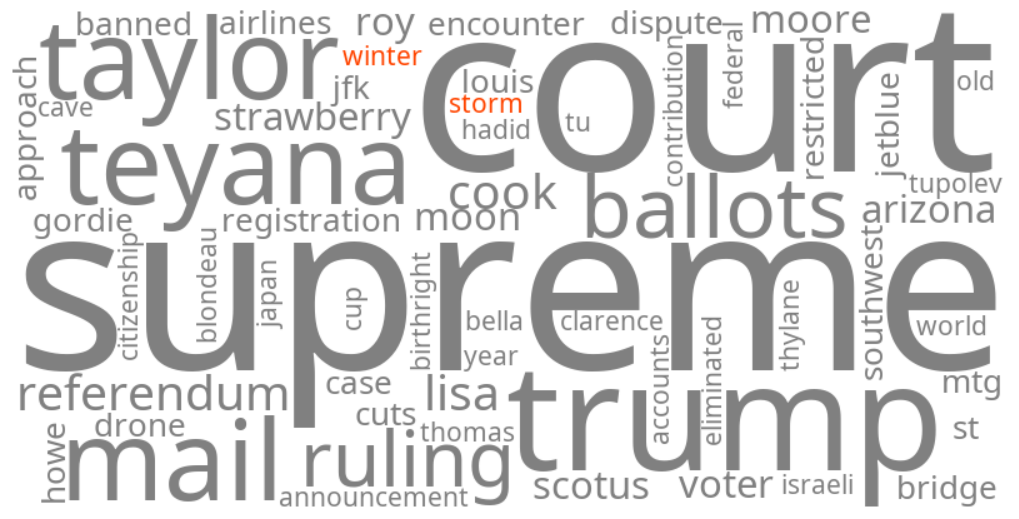
winter storm
Summary (tl;dr)
A rare late-June winter storm is bringing heavy snow and strong winds to high elevations in the Western United States, particularly across Idaho, Montana, and Wyoming, leading to significant travel warnings and concerns for outdoor enthusiasts.
Essential Background
The Western United States has recently experienced warm, summer-like temperatures, with parts of the region also facing drought conditions. This created a stark contrast to the sudden shift in weather. Historically, June snowfalls have occurred in mountainous regions like the Sierra Nevada, but a winter storm of this magnitude at the end of June is considered rare.
The Full Story
Google Trends keywords winter storm and winter storm warning are trending due to an unusual and severe late-season winter storm impacting several western U.S. states as July approaches. The National Weather Service has issued Winter Storm Warnings for high-elevation areas in Idaho, Montana, Wyoming, and parts of the Sierra Nevada and Cascades, including sections of Washington, Oregon, California, and Nevada. This system is forecast to drop up to three feet of heavy, wet snow and bring winds gusting to 60 mph, creating hazardous conditions for travel and outdoor activities just ahead of the Fourth of July weekend. The unseasonably cold air mass, driven by a deep upper-level trough from the northern Pacific, has caused temperatures to drop significantly, leading to snow falling at unusually low elevations for this time of year. Yellowstone National Park is among the areas experiencing snow.
Why It Matters
The unexpected timing and intensity of this winter storm are causing widespread concern and disruption. It poses significant risks to hikers, campers, and travelers who may be unprepared for winter conditions during what is typically peak outdoor season. The heavy, wet snow threatens to down trees, block backcountry roads, and elevate the risk of hypothermia. Furthermore, the cold front, while bringing precipitation, has also counterintuitively increased the danger of wildfires in drought-stricken areas due to lightning strikes and heightened winds, exacerbating what is already shaping up to be a severe fire season. The contrasting weather patterns—a winter storm in the West and a record-breaking heatwave in the Eastern U.S.—highlight extreme meteorological conditions across the country.
Geographic Location
- Sierra Nevada mountain range, California, United States (late-season heavy snow and strong winds)
- Cascade Range, Washington, United States (late-season heavy snow and strong winds)
- High elevations, Idaho, United States (up to 3 feet of heavy, wet snow and strong winds)
- High elevations, Montana, United States (up to 3 feet of heavy, wet snow and strong winds)
- High elevations, Wyoming, United States (up to 3 feet of heavy, wet snow and strong winds)
- Yellowstone National Park, Wyoming, United States (experiencing snow)
- Uinta Mountains, Utah, United States (late-season heavy snow)
- Northern US Rockies, United States (late-season heavy snow)
- Lemhi County, Idaho, United States (heavy, wet snow in high country)
- Lost Trail Pass, Idaho-Montana border, United States (winter conditions on roads)
- Chief Joseph Pass, Idaho-Montana border, United States (winter conditions on roads)