 Politics
is the government shutdown over
Summary (tl;dr)
The United States federal government is in its longest-ever shutdown, having commenced on October 1, 2025, due to a congressional failure to pass necessary funding legislation. A recent Senate vote signals a potential breakthrough to reopen the government, but further legislative steps are still required.
Essential Background
A government shutdown occurs when the U.S. Congress fails to pass the annual appropriations bills that fund federal agencies and programs before the start of the new fiscal year on October 1. Without this legislation, or a temporary measure known as a continuing resolution, non-essential government functions must cease operations, leading to a lapse in funding. Federal employees whose roles are deemed non-essential are furloughed (sent home without pay), while essential personnel, such as those in public safety, are required to work without immediate compensation.
The Full Story
The U.S. federal government entered a shutdown on October 1, 2025, after Congress failed to pass appropriations for the 2026 fiscal year, marking it as the longest government shutdown in U.S. history at 41 days as of November 10, 2025. The deadlock has been largely attributed to partisan disagreements over spending priorities, including a key demand from Democrats to extend Affordable Care Act (ACA) premium tax credits.
However, a significant development occurred on November 9, 2025, when the Senate voted 60-40 to advance a House-passed measure aimed at funding the government. This crucial procedural vote saw eight Democratic senators—Dick Durbin, Tim Kaine, Maggie Hassan, Catherine Cortez Masto, Jacky Rosen, John Fetterman, Jeanne Shaheen, and Independent Angus King—cross party lines to support the deal alongside Republicans. The proposed deal would extend government funding at fiscal year 2025 levels through January 30, 2026, and include three full-year appropriations bills for various federal agencies. As part of the agreement, Senate Majority Leader John Thune committed to holding a separate vote by mid-December on extending the enhanced ACA premium tax credits. While this breakthrough paves the way to reopen the government, the bill still requires further procedural votes in the Senate, as well as approval from the House of Representatives and the President's signature, processes that could take several days.
Why It Matters
Government shutdowns have significant consequences for both the economy and the public. During this shutdown, approximately 900,000 federal employees have been furloughed, with hundreds of thousands more working without pay, leading to considerable financial strain for families and concerns about missed paychecks. While a 2019 law ensures retroactive pay for furloughed federal employees once the shutdown ends, immediate financial difficulties arise.
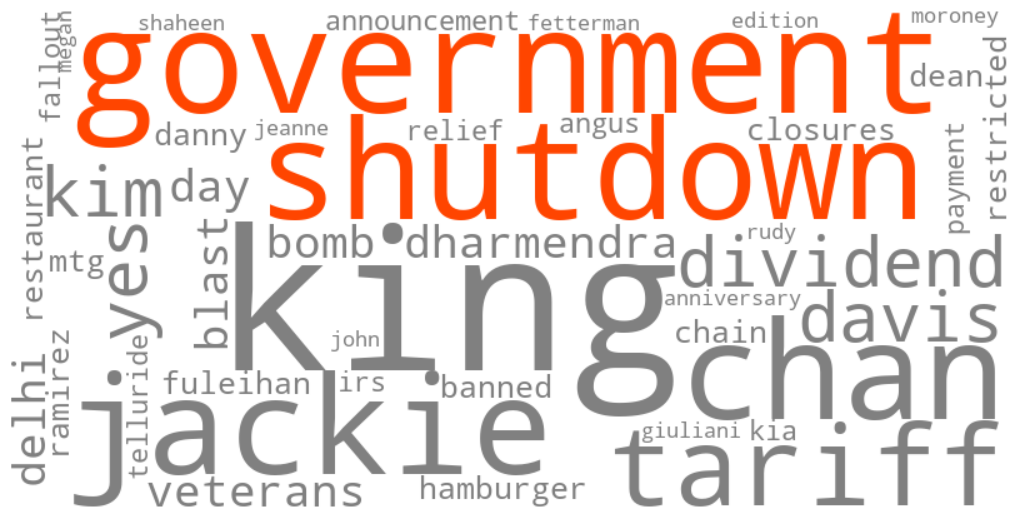
Crucial federal services are disrupted, impacting everything from food safety inspections to passport processing, national park operations, and immigration court hearings. Economically, prolonged shutdowns can reduce annualized GDP growth and create uncertainty in financial markets. Public concern is high, with many Americans increasingly worried about the shutdown's impact on the U.S. economy and their personal lives. The current trending keywords reflect intense public interest in whether the government has reopened and when essential services will resume, highlighting the widespread disruption and the political pressure on lawmakers to resolve the impasse.