 Business and Finance
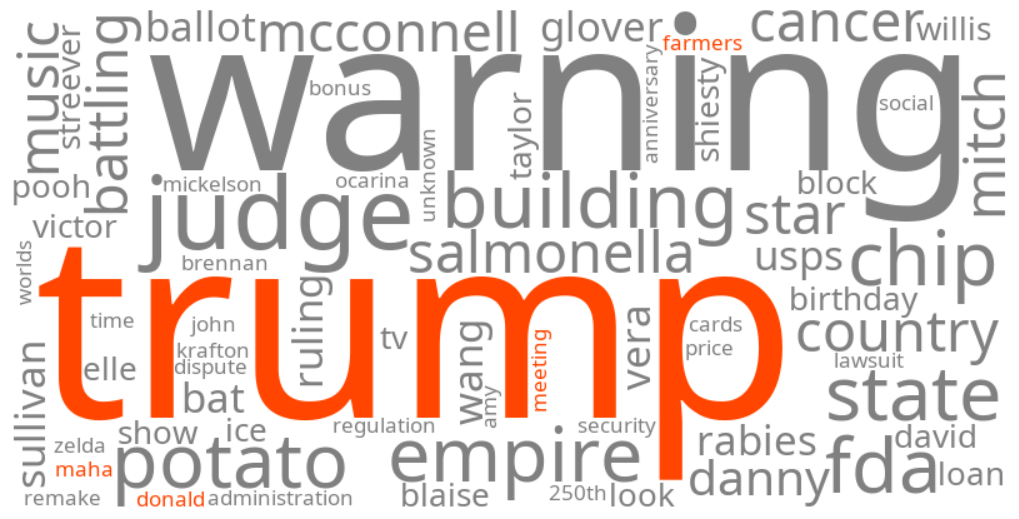
maha farmers donald trump meeting
Summary (tl;dr)
Donald Trump recently signed an executive order to promote regenerative agriculture following a contentious Oval Office meeting where agricultural lobbyists debated the order's implications for pesticide use, sparking a wider discussion about the future of farming and food policy.
Essential Background
The "Make America Healthy Again" (MAHA) movement, spearheaded by Health Secretary Robert F. Kennedy Jr., gained prominence between 2023 and 2025 with the goal of tackling chronic diseases through nutritional reforms and reducing exposure to chemicals in the food supply. This initiative has often been at odds with conventional agricultural practices, particularly regarding the use and safety of pesticides. In May 2025, an initial assessment by the MAHA Commission, which questioned pesticide safety, drew criticism from farming organizations. Additionally, the Trump administration has been working to support farmers through various measures, including a supplemental funding request of over $11 billion to address high fuel and fertilizer costs, partly due to international conflicts, and an executive order to temporarily suspend duties on phosphate fertilizers from Morocco to ease input expenses.
The Full Story
In late June and early July 2026, President Donald Trump convened a meeting in the Oval Office with farmers and key administration officials, ostensibly for a routine signing of an executive order on regenerative agriculture. However, the event quickly escalated into a heated policy debate when American Farm Bureau Federation President Zippy Duvall voiced strong opposition to the order, expressing concerns that it could be perceived as critical of pesticide use and potentially undermine farmer support for Trump. Proponents of regenerative agriculture countered these arguments, leading to an extensive discussion lasting nearly an hour. Ultimately, President Trump signed the executive order, which aims to broaden research into regenerative agriculture and explore alternatives to traditional crop protection chemicals as part of the MAHA initiative. This order also mandates that agencies develop new methods to enhance scientific understanding of the health and environmental risks associated with chemical contaminants in the food supply. Concurrently, Agriculture Secretary Brooke Rollins issued the Regenerative Feedstock Rule, which ties regenerative farming practices to tax credits and low-carbon fuel standards.
Why It Matters
These trending keywords underscore the ongoing friction between the MAHA movement's advocacy for reduced chemical use in agriculture and the interests of conventional farming, which often relies on established crop protection methods. The executive order signals a significant federal endorsement of regenerative agriculture, potentially ushering in substantial changes to farming techniques, operational costs, and market opportunities for agricultural producers. The intense debate also highlights the intricate political challenge of reconciling public health concerns with economic realities and the livelihoods of farmers. Furthermore, the MAHA initiative is poised to shape future food policy, which could have far-reaching effects on consumers through adjustments in food availability, pricing, and safety standards.
Geographic Location
- Oval Office, The White House, Washington, D.C., District of Columbia, United States (heated meeting and executive order signing)