 Law and Government
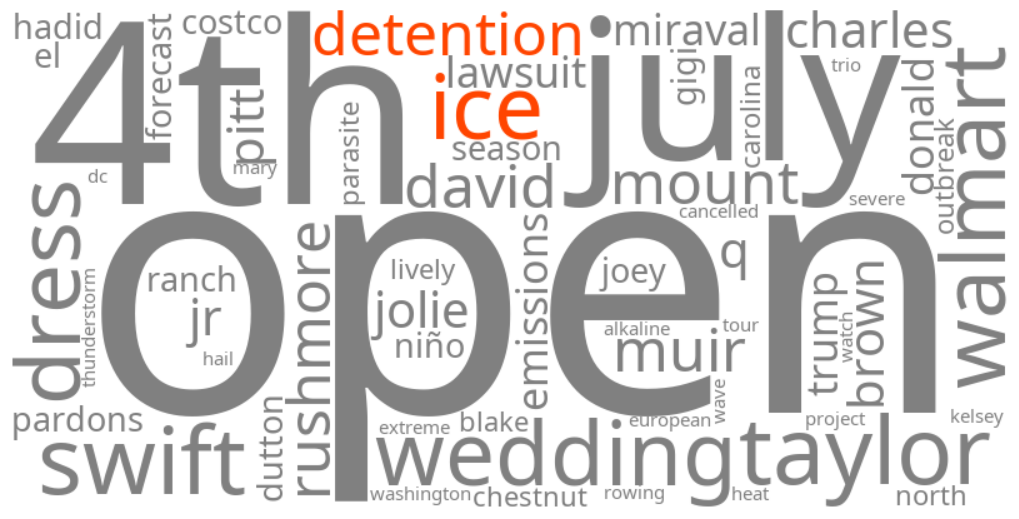
ice detention
Summary (tl;dr)
A federal appeals court has significantly limited a Trump administration immigration policy, ruling that ICE cannot hold undocumented immigrants who have established lives in the U.S. for more than 90 days without a bond hearing.
Essential Background
In July 2025, the Trump administration implemented a policy expanding mandatory detention of undocumented immigrants without bond hearings until their deportation, even for those who had lived in the U.S. for years. This policy contradicted decades of legal understanding and led to a surge in habeas corpus petitions challenging detentions, particularly in states under the Fifth Circuit's jurisdiction, including Texas, Louisiana, and Mississippi. While a different Fifth Circuit panel initially upheld the statutory interpretation allowing mandatory detention in February 2026, that ruling did not address the constitutional due process right to a bond hearing.
The Full Story
On Thursday, July 2, 2026, the U.S. Fifth Circuit Court of Appeals, in a 2-1 decision, ruled that the federal government must provide bond hearings for undocumented immigrants held for over 90 days. The court rejected the Trump administration's policy that allowed for indefinite detention without such hearings, citing that the Constitution's due process protections apply to all individuals within the U.S., regardless of immigration status. This ruling specifically applies to individuals who have established lives in the country and were arrested within the U.S., rather than those apprehended at the border. The decision stems from the cases of three men arrested in Texas who had lived in the country for at least 14 years and had American citizen children. The Department of Homeland Security has expressed disagreement with the ruling and is expected to seek review from the U.S. Supreme Court.
Why It Matters
This ruling is a significant setback for the Trump administration's immigration enforcement strategy and could benefit thousands of immigrants currently held in ICE detention centers across Texas, Louisiana, and Mississippi. It reinforces the constitutional due process rights for non-citizens, ensuring they have an opportunity to challenge their detention and potentially be released on bond while their deportation proceedings continue. However, the legal battle is far from over, as the Trump administration is expected to appeal, potentially setting the stage for the Supreme Court to make a final decision on the scope of mandatory immigration detention and constitutional protections for immigrants.
Geographic Location
- New Orleans, Orleans Parish, Louisiana, United States (where the U.S. Fifth Circuit Court of Appeals is based and issued its ruling)
- Texas, United States (where the initial arrests leading to the appeal occurred and where many immigrants are detained under the challenged policy)
- Louisiana, United States (state within the Fifth Circuit's jurisdiction significantly impacted by the detention policy)
- Mississippi, United States (state within the Fifth Circuit's jurisdiction significantly impacted by the detention policy, with numerous habeas petitions filed)