 Law and Government
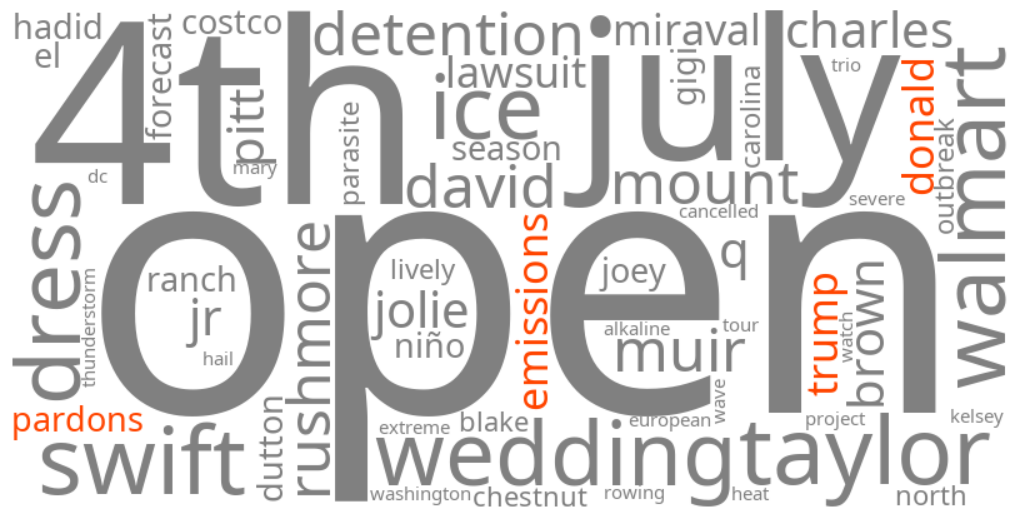
donald trump emissions pardons
Summary (tl;dr)
President Donald Trump has recently issued pardons to at least 10 individuals convicted of Clean Air Act violations related to tampering with vehicle emissions systems, asserting they were unfairly prosecuted. These actions are part of a broader push by his administration to deregulate environmental protections and ease enforcement of emissions standards.
Essential Background
Presidential pardons are a power granted to the President to forgive federal crimes, restoring rights and mitigating penalties. The Clean Air Act is a foundational U.S. federal law designed to control air pollution nationwide by setting limits on harmful emissions from various sources. Throughout his presidency, Donald Trump has consistently advocated for and implemented policies aimed at reducing federal environmental regulations, often citing economic burden and governmental overreach as justifications.
The Full Story
President Donald Trump recently announced pardons for at least 10 individuals who had been convicted of violating the Clean Air Act by tampering with vehicle emissions control equipment. Trump publicly stated that these individuals were "wrongfully prosecuted" and "persecuted" by the Biden administration for "fixing their car," describing the federal prosecutions as "weaponization and stupidity."
These acts of clemency align with a broader shift initiated by the Justice Department earlier this year, which directed federal prosecutors to halt pending investigations and drop ongoing prosecutions related to "aftermarket defeat devices" that are used to disable emissions controls. Further underscoring this stance, President Trump signed an executive order on June 29, urging the Environmental Protection Agency (EPA) to deprioritize civil enforcement actions concerning tampering with emissions control devices. This follows a similar pardon granted by Trump last fall to Troy Lake, a Wyoming mechanic, for comparable federal emissions law violations. The current pardons are consistent with the Trump administration's extensive environmental deregulatory agenda, which also saw the EPA repeal the 2009 Greenhouse Gas (GHG) Endangerment Finding and all federal GHG emissions standards for vehicles in February 2026.
Why It Matters
These pardons and the accompanying policy changes carry significant implications for environmental protection and legal accountability. Critics argue that such actions could undermine the effectiveness of the Clean Air Act, potentially leading to increased air pollution and diminished public health by reducing the incentive for compliance with environmental regulations. Conversely, supporters maintain that these measures offer necessary regulatory relief to individuals and businesses, contending that certain environmental regulations are overly burdensome and impede economic activity. The trending discussion around these pardons highlights ongoing national debates about the future of environmental policy, the appropriate scope of federal regulatory power, and the balance between environmental protection and economic considerations.
Geographic Location
- The White House, Washington, D.C., District of Columbia, United States (issuance of presidential pardons and executive orders)
- Wyoming, United States (location where Troy Lake, a previously pardoned mechanic, committed emissions violations)