 Business and Finance
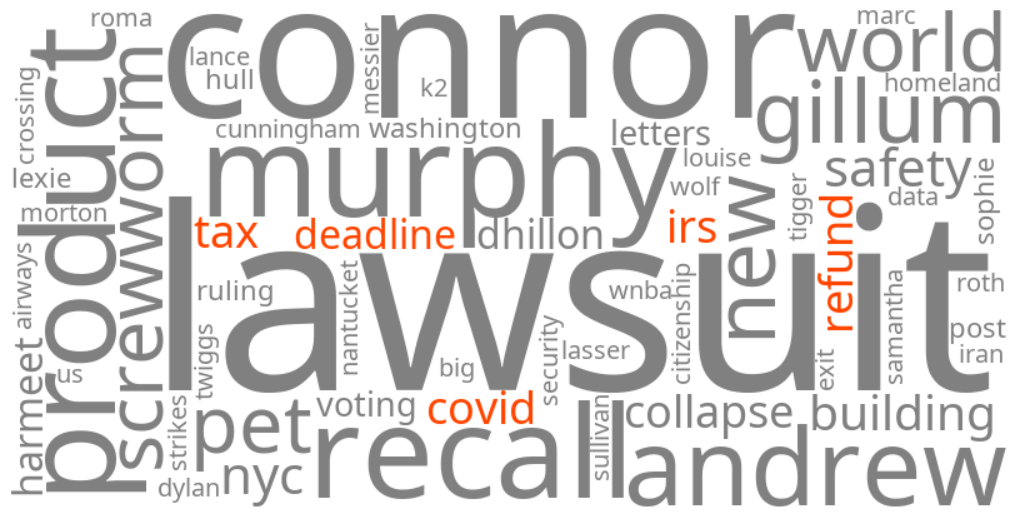
irs covid tax refund deadline
Summary (tl;dr)
Taxpayers across the United States are urgently searching for information on an approaching July 10, 2026, deadline to file "protective claims" for potential refunds of COVID-era tax penalties and interest, following a recent federal court ruling.
Essential Background
During the COVID-19 pandemic, from January 20, 2020, through July 10, 2023, the U.S. government implemented various emergency measures, including extensions for tax filing and payment deadlines. Many taxpayers, however, incurred penalties and interest for late filings or payments during this period. A recent federal court decision, Kwong v. United States, has challenged the IRS's application of these penalties, ruling that the COVID-19 period should be considered a disaster under tax law, potentially exempting taxpayers from certain penalties and interest.
The Full Story
With a critical deadline of July 10, 2026, rapidly approaching, millions of U.S. taxpayers are actively seeking guidance on how to file "protective claims" to preserve their right to a refund of penalties and interest paid during the COVID-19 federal disaster period. This surge in interest is due to the Kwong ruling, which suggests that the IRS may have improperly assessed these charges. While the IRS is reportedly appealing the Kwong decision, filing a protective claim by the deadline is crucial, as it safeguards taxpayers' eligibility for a refund should the ruling be upheld. Taxpayers are encouraged to use Form 843, Claim for Refund and Request for Abatement, and can even do so electronically for certain claims related to fully paid interest and penalties. Searches for "where's my refund" also indicate a general public concern about the status of tax refunds, potentially amplified by the looming deadline and the complex nature of these COVID-era adjustments.
Why It Matters
This trend is significant because it highlights a major opportunity for potentially tens of millions of taxpayers to reclaim substantial amounts in penalties and interest, offering much-needed financial relief. Missing the July 10 deadline could permanently bar taxpayers from receiving these refunds, regardless of the ultimate outcome of the Kwong case. The complexity of the legal situation and the need for proactive action by individual taxpayers mean that those who are unaware or unable to navigate the process risk losing out, raising concerns about fairness and access to tax benefits.
Geographic Location
- Washington, D.C., District of Columbia, United States (Headquarters of the Internal Revenue Service and location of federal court decisions impacting tax law nationwide)
- United States (Nationwide impact on taxpayers eligible for potential penalty refunds)