 Law and Government
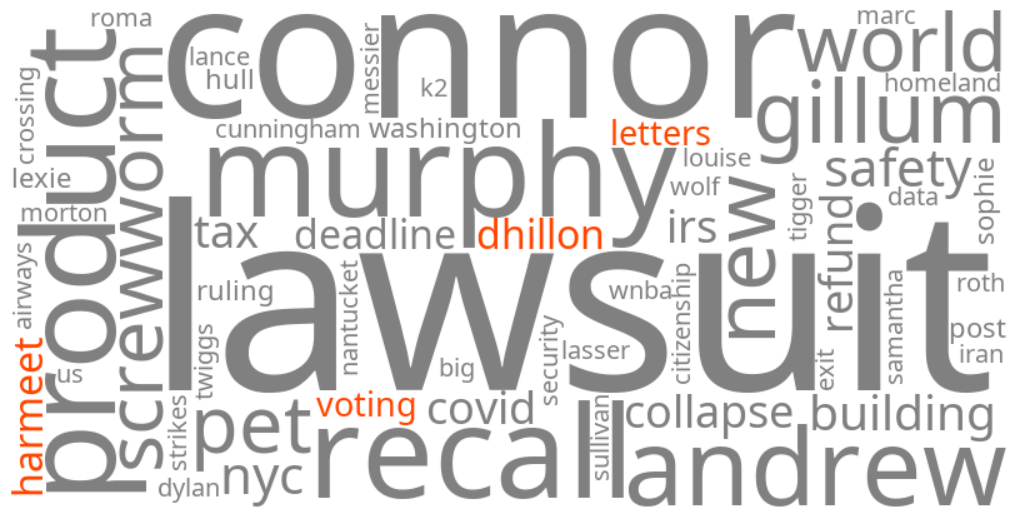
harmeet dhillon voting letters
Summary (tl;dr)
The U.S. Department of Justice (DOJ), led by Assistant Attorney General Harmeet Dhillon, has sent warning letters to election officials in all 50 states and the District of Columbia, threatening criminal prosecution if they knowingly allow non-citizens to vote or remain on voter rolls. This action is part of the Trump administration's ongoing efforts to address alleged noncitizen voting, a claim that has been widely disputed.
Essential Background
For several months, President Trump has claimed that non-U.S. citizens frequently vote in federal elections, despite a lack of evidence to support widespread instances of such activity. In response, the DOJ has been litigating against numerous states to obtain unredacted voter rolls, ostensibly to ensure compliance with federal laws requiring clean voter lists and to identify non-citizen voters. Earlier this year, President Trump also signed an executive order, later blocked by a federal judge, that aimed to create federal lists of eligible voters and prevent the mailing of ballots to those not listed. Harmeet Dhillon, who assumed office as the Assistant Attorney General for the Civil Rights Division in April 2025, has been a key figure in these efforts.
The Full Story
On Tuesday, Assistant U.S. Attorney General Harmeet Dhillon sent identical seven-page letters to top election officials across all 50 states and Washington, D.C. The letters explicitly warn that election officers could face criminal liability if they "knowingly and willfully" maintain noncitizens on state voter registration lists or assist them in receiving and casting ballots. Dhillon cited the National Voter Registration Act as the basis for these potential prosecutions. Each state has been given five days to respond, outlining how they intend to comply with federal laws designed to ensure that only eligible citizens participate in federal elections. This move has been met with strong criticism from several state election officials, who view it as an intimidation tactic. For example, Washington Secretary of State Steve Hobbs called it an "acceleration down a slippery slope of threatening personal legal action," while Arizona Secretary of State Adrian Fontes stated it was "insulting to insinuate that the good people at our county recorders' offices across the state are not doing their jobs correctly."
Why It Matters
These trending keywords highlight a significant escalation in the ongoing dispute between the federal government and state election officials over voter integrity and election administration. The threat of criminal prosecution against election officials could deter individuals from serving in these critical roles and may lead to increased partisan tensions surrounding upcoming elections. Critics argue that the DOJ's actions are based on unsubstantiated claims of widespread noncitizen voting and are designed to sow doubt about the security and fairness of the electoral process. Conversely, proponents of these measures assert that they are necessary to uphold the integrity of federal elections and prevent voter fraud. The outcome of these demands and the responses from state officials will have implications for voter registration processes, election administration, and the broader public's trust in democratic institutions.
Geographic Location
- Washington, D.C., District of Columbia, United States (Department of Justice issuing letters to election officials nationwide)
- All 50 states and the District of Columbia, United States (recipients of warning letters regarding noncitizen voting)
- Washington State, United States (state election officials publicly threatened with criminal prosecution)
- Arizona, United States (state election officials publicly threatened with criminal prosecution)
- Michigan, United States (state election officials publicly threatened with criminal prosecution; prior demand for 2024 ballots in Wayne County)
- Maine, United States (state election officials publicly threatened with criminal prosecution)
- Nevada, United States (state election officials publicly threatened with criminal prosecution)
- Utah, United States (state election officials publicly threatened with criminal prosecution)