 Health
cyclospora parasite outbreak
Summary (tl;dr)
A significant increase in cyclosporiasis, an intestinal illness caused by the Cyclospora parasite, is currently sweeping across multiple U.S. states, with Michigan experiencing its largest outbreak in history. Health officials are actively investigating numerous clusters of cases, characterized by symptoms like "explosive diarrhea."
Essential Background
Cyclosporiasis is an illness caused by the microscopic parasite Cyclospora cayetanensis, which infects the small intestine. This parasite is typically transmitted when people consume food or water contaminated with human feces. Common sources in past outbreaks have included fresh produce such as raspberries, basil, cilantro, and leafy greens. Symptoms, which include watery and often explosive diarrhea, loss of appetite, stomach cramps, nausea, and fatigue, can appear between two days and two weeks after exposure and may last for weeks if untreated. The illness is not typically spread from person to person.
The Full Story
Since May 1, 2026, the United States has seen a sharp rise in cyclosporiasis cases, marking the beginning of what is considered the "cyclosporiasis season," which typically extends through August. As of July 8, 2026, federal health agencies are investigating a widespread outbreak, with hundreds of cases reported across at least 17 states. Michigan is particularly affected, with nearly 1,000 confirmed cases, making it the state's largest historical outbreak. Neighboring Ohio has also reported a significant number of illnesses, with over 400 cases in its northwest region, including 306 in Lucas County. Other states, including New York (over 100 cases), Maryland (32 cases), Florida (35 cases), Illinois, and Texas, have also reported elevated case counts. Twenty individuals have been hospitalized, but no deaths have been reported. Health authorities have not yet identified a single, common source of contamination linking all cases, and investigations are ongoing.
Why It Matters
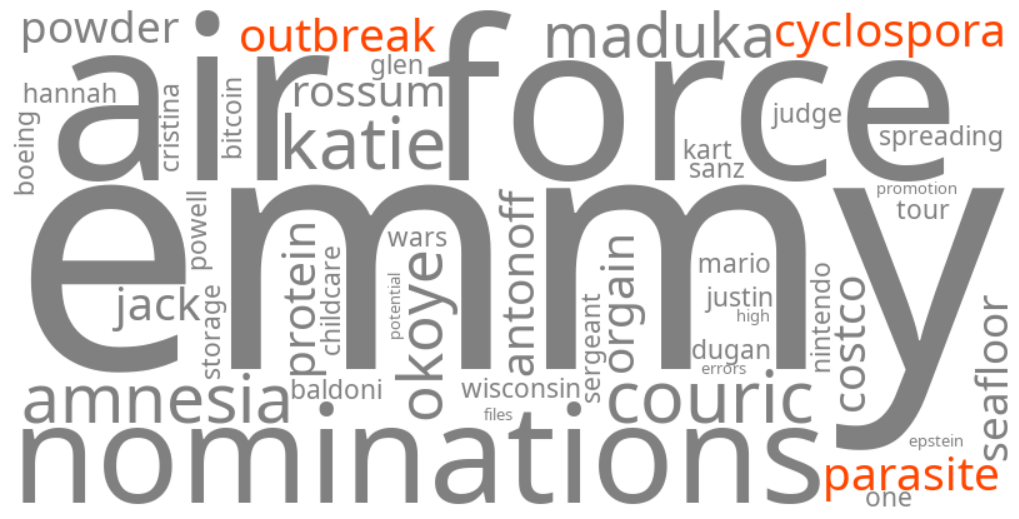
The trending nature of these keywords reflects public concern and the ongoing efforts by health officials to track and mitigate the spread of this parasitic infection. The rapid increase in cases, particularly in states like Michigan, is unusual and has prompted warnings from health authorities. While rarely fatal, cyclosporiasis can cause prolonged and severe gastrointestinal distress, leading to significant discomfort and, in some instances, hospitalization. The challenge in identifying a single source underscores the difficulty in preventing such outbreaks, especially given that routine washing may not remove the parasite from produce. Public awareness is crucial for early detection, treatment, and implementing preventive measures, such as thoroughly washing hands and cooking produce, to help curb further spread.
Geographic Location
- Southeastern Michigan, Michigan, United States (major surge in cyclosporiasis cases)
- Lucas County, Ohio, United States (significant cyclosporiasis cases)
- Northwest Ohio, Ohio, United States (significant cyclosporiasis cases)
- New York State, United States (over 100 cyclosporiasis cases reported since May 1, 2026)
- Maryland, United States (32 confirmed cyclosporiasis cases)
- Florida, United States (35 confirmed cyclosporiasis cases between May 1 and June 27, 2026)
- United States (federal health officials investigating multiple clusters of cyclosporiasis cases across 17 states, including Illinois and Texas)