 Law and Government
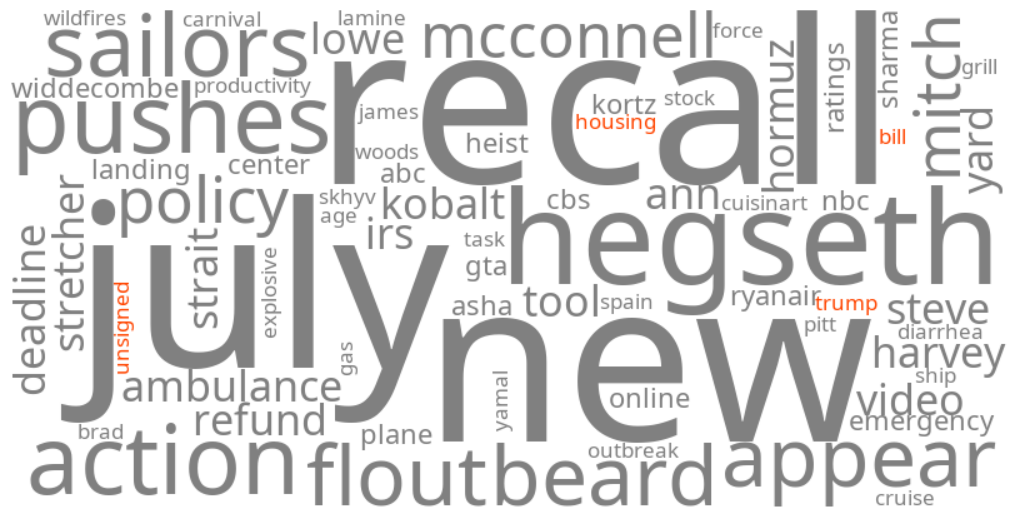
housing bill unsigned trump
Summary (tl;dr)
President Donald Trump refused to sign the bipartisan "21st Century ROAD to Housing Act" in protest over the Senate's failure to pass his preferred voter ID legislation, but the landmark housing bill is set to become law without his signature as of today, July 10, 2026.
Essential Background
The "21st Century ROAD to Housing Act" is a comprehensive bipartisan legislative package designed to address America's housing affordability crisis by increasing housing supply, reducing federal regulations, and curbing the influence of large institutional investors in the housing market. This bill, which combines elements from previous House and Senate proposals, passed both chambers of Congress with overwhelming bipartisan support in late June 2026.
The Full Story
On June 23, 2026, President Donald Trump unexpectedly canceled a scheduled signing ceremony for the "21st Century ROAD to Housing Act," which had passed the Senate by an 85-5 vote and the House by a 358-32 vote. He later announced via Truth Social that he would not sign the bill, citing his frustration over the Senate's inability to pass "The SAVE America Act"—a separate piece of legislation he champions that would impose strict voter identification requirements and ban mail-in voting in most cases. Despite initially pushing for the housing legislation, Trump declared it to be of "minor importance" compared to his desired election reforms. As of today, July 10, 2026, the 10-day period for the President to sign or veto the bill has expired, meaning the "21st Century ROAD to Housing Act" is set to become law without his signature, as officials confirm he is not expected to veto it.
Why It Matters
The trending keywords reflect significant public interest in a major legislative development and a rare instance of a president allowing a bipartisan bill to become law without his signature as a form of protest. The "21st Century ROAD to Housing Act" is considered the most comprehensive federal housing legislation in decades and aims to tackle the nationwide housing affordability crisis by increasing housing supply and limiting large institutional investors from purchasing single-family homes. Trump's decision to withhold his signature, despite the White House having previously touted the bill as a major achievement, has baffled some Republicans who viewed it as a significant policy win ahead of the upcoming midterm elections. His actions underscore the ongoing political battles over election integrity legislation and the potential for unrelated policy priorities to impact the passage and ceremonial enactment of otherwise broadly supported bills.
Geographic Location
- Capitol Building, Washington, D.C., District of Columbia, United States (bill passed in Senate and House, signing ceremony scheduled)
- Washington, D.C., District of Columbia, United States (White House, where the bill was sent and decision not to sign was made)