 Other
Otherair quality
Summary (tl;dr)
Canadian wildfires are causing widespread air quality alerts across the Northeast and Midwest United States, as smoke plumes drift south and combine with a heatwave, prompting health warnings for millions.
Essential Background
Wildfires are a recurring natural phenomenon, often exacerbated by hot, dry conditions and lightning. These fires release large amounts of fine particulate matter (PM2.5) into the atmosphere, which can travel hundreds or even thousands of miles from their origin, carried by prevailing winds. When these smoke plumes reach populated areas, they significantly degrade air quality, posing health risks. Canada has experienced significant wildfire seasons in recent years, with conditions in 2026 starting slowly but escalating by mid-July.
The Full Story
As of mid-July 2026, numerous active wildfires are raging across various Canadian provinces, including western Ontario, Alberta, British Columbia, Saskatchewan, Northwest Territories, and Quebec, with some fires also burning in northern Minnesota. These intense blazes are producing vast plumes of smoke that are being transported by winds across large swaths of the Midwest, Northeast, and Mid-Atlantic United States.
This widespread smoke has led to air quality alerts being issued for millions of Americans, with conditions ranging from "unhealthy for sensitive groups" to "unhealthy" in many areas, and potential localized spikes to "very unhealthy" in western New York. The affected regions include all of New York State (with significant impacts in Rochester, Syracuse, Buffalo, New York City, and Long Island), Massachusetts (Boston and statewide), and Connecticut (statewide, including Fairfield, New Haven, and Litchfield counties). Other areas, such as northern Michigan, northern Wisconsin, eastern Minnesota, New Jersey, Pennsylvania, and Rhode Island, are also experiencing degraded air quality. This situation is further complicated by an ongoing heatwave, which can intensify the toxicity of air pollution and increase the risk of heat-related illnesses.
Why It Matters
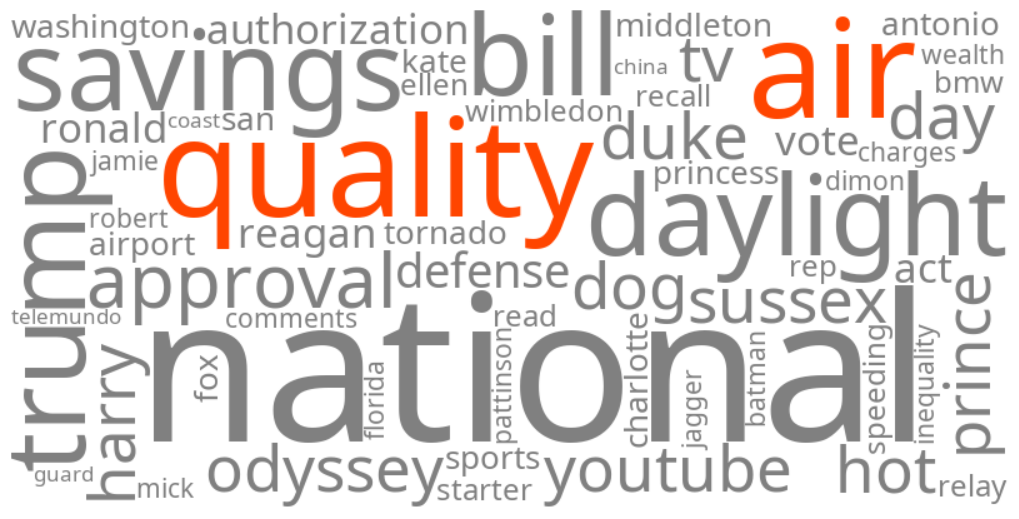
The trending keywords reflect significant public concern over the immediate and potential health impacts of poor air quality. Fine particulate matter (PM2.5) from wildfire smoke can penetrate deep into the lungs and bloodstream, irritating the respiratory system and worsening existing heart and lung conditions like asthma. Sensitive groups, including children, older adults, pregnant individuals, and those with pre-existing heart or lung diseases, are particularly vulnerable and advised to limit strenuous outdoor activity, keep windows closed, and use air purifiers. The combination of wildfire smoke and high temperatures presents a dual health challenge, increasing the risk of both respiratory issues and heat-related illnesses. While forecasts do not currently predict a repeat of the "hazardous" air quality levels seen in some areas during the 2023 Canadian wildfire season, officials are urging vigilance and precautions.
Geographic Location
- Alberta, Canada (wildfires)
- British Columbia, Canada (wildfires)
- Saskatchewan, Canada (wildfires)
- Northwest Territories, Canada (wildfires)
- Western Ontario, Canada (wildfires impacting air quality in US)
- Quebec, Canada (wildfires)
- Northern Minnesota, United States (wildfires contributing smoke)
- Rochester, Monroe County, New York, United States (air quality alerts, hazy skies, smoke smell)
- Syracuse, Onondaga County, New York, United States (air quality alerts, hazy skies, yellow sky)
- Buffalo, Erie County, New York, United States (air quality alerts, potential worsening air quality)
- New York City, New York County, New York, United States (air quality alerts, visible smoke, unhealthy for sensitive groups)
- Long Island, New York, United States (air quality alerts, hazy skies)
- Boston, Suffolk County, Massachusetts, United States (air quality alerts, unhealthy for sensitive groups, hazy/yellow skies)
- Connecticut, United States (statewide air quality alerts, unhealthy for sensitive groups, including Fairfield, New Haven, and Litchfield counties)
- Michigan, United States (statewide air quality alert, densest near-surface smoke in northern Wisconsin and Upper Peninsula)
- Wisconsin, United States (air quality alerts, densest near-surface smoke in northern parts)