 Politics
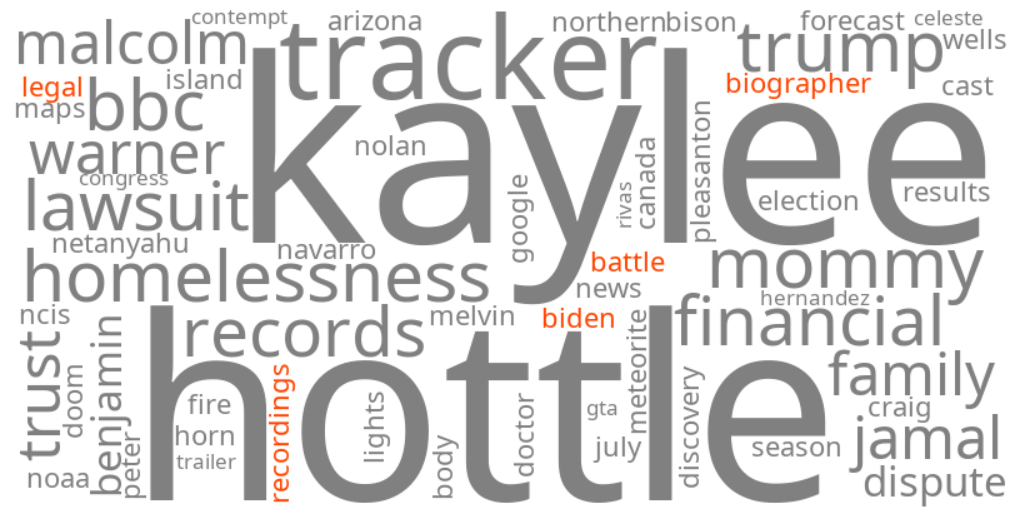
biden biographer recordings legal battle
Summary (tl;dr)
A federal appeals court has rejected Joe Biden's efforts to prevent the public release of audio recordings from his interviews with a memoir ghostwriter, which were gathered during a special counsel investigation into his handling of classified documents.
Essential Background
The recordings in question were made in 2016 and 2017 as Joe Biden collaborated with ghostwriter Mark Zwonitzer on his memoir, "Promise Me, Dad." These conversations became central to Special Counsel Robert Hur's 2023 investigation into Biden's retention of classified documents after his vice presidency. While Hur ultimately decided not to press criminal charges, his report controversially described Biden as "a sympathetic, well-meaning, elderly man with a poor memory." In 2024, the conservative Heritage Foundation filed a public records request for these recordings and transcripts, and the Justice Department, under the subsequent Trump administration, reversed an earlier stance to release them.
The Full Story
In May 2026, Joe Biden initiated a lawsuit against the U.S. Department of Justice to block the impending release of the audio recordings and transcripts. His legal challenge, filed in federal court in Washington D.C., asserted that releasing these materials would infringe upon his privacy rights and that the Justice Department was failing its duty to protect sensitive information. Biden's legal team maintained that the discussions were private and recorded with an understanding of confidentiality, intended solely for the memoir's creation. However, on July 21, 2026, a divided three-judge panel of the U.S. Court of Appeals for the District of Columbia Circuit denied Biden's request, ruling that the public's interest in the materials outweighed any personal privacy considerations. The court has temporarily stayed its decision until August 3, 2026, to allow Biden time to consider a further appeal.
Why It Matters
This legal battle is trending because the eventual release of these recordings could offer additional insights into Biden's memory and mental acuity, a subject that became a significant point of contention following Special Counsel Hur's report and fueled public debate about his fitness for office. Proponents of the release, including the House Judiciary Committee and the Heritage Foundation, argue that the public deserves to hear the recordings to form their own conclusions. The case also raises important questions about the scope of executive privilege, transparency in government, and how materials from federal investigations involving high-profile figures are handled.
Geographic Location
- U.S. Court of Appeals for the District of Columbia Circuit, Washington, D.C., District of Columbia, United States (appeals court denied Biden's request)