 Politics
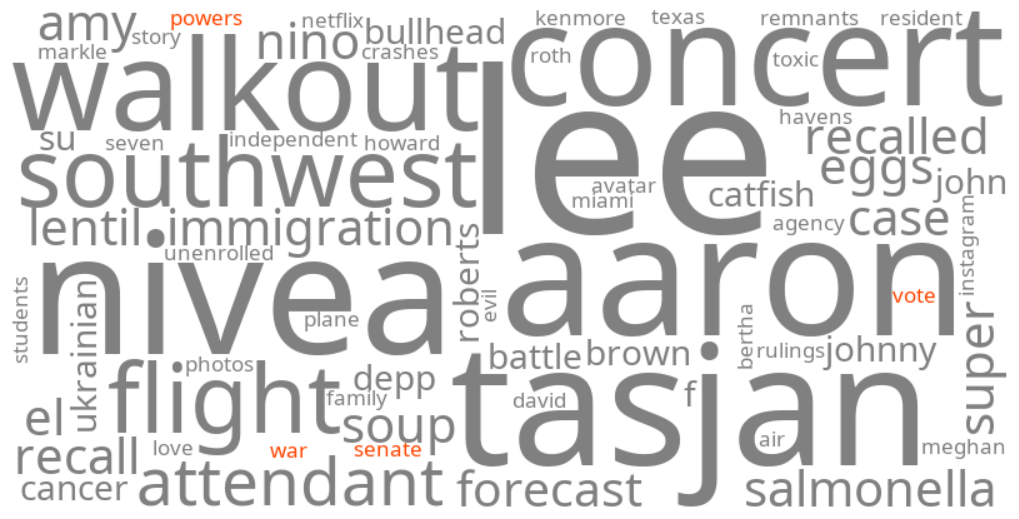
senate war powers vote
Summary (tl;dr)
The U.S. House of Representatives recently passed a resolution aiming to halt military action against Iran without congressional approval, but the Senate subsequently rejected a similar measure, highlighting an ongoing legislative struggle over presidential war powers amid an active conflict.
Essential Background
The current conflict between the United States and Iran began on February 28, 2026, with joint U.S. and Israeli airstrikes against Iran. This military action occurred without explicit congressional authorization, leading to ongoing debate and attempts by Congress to assert its constitutional authority over declaring war. Despite a temporary ceasefire in April 2026, hostilities have continued, leading to rising casualties among U.S. service members and significant financial costs.
The Full Story
On July 23, 2026, the U.S. House of Representatives, for the second time, passed a war powers resolution by a vote of 214-208, directing President Donald Trump to withdraw U.S. military forces from hostilities in or against Iran unless explicitly authorized by Congress. This resolution, introduced by Democratic Representative Pramila Jayapal, saw support from four Republicans who crossed party lines. However, hours later on the same day, the Senate rejected a similar resolution proposed by Democratic Senator Chris Van Hollen in a 47-49 vote, largely along party lines, with one Republican Senator joining Democrats and one Democratic Senator voting against. These votes reflect continued congressional frustration over the war, which public opinion polls consistently show is unpopular.
Why It Matters
These keywords are trending because the votes underscore a persistent constitutional struggle between the executive and legislative branches over the authority to engage in military conflict. The House's repeated attempts to curb the President's war powers, despite being largely symbolic and lacking the force of law without Senate and presidential approval, highlight deep divisions within the U.S. government and growing public discontent with the ongoing war in Iran. The conflict has already resulted in the deaths of U.S. service members and a substantial financial burden, raising concerns about its long-term implications and the potential for further escalation in the Middle East.
Geographic Location
- Capitol Building, Washington, D.C., District of Columbia, United States (U.S. House of Representatives and Senate votes on war powers resolution)
- Iran (ongoing military conflict with the United States and Israel)
- Strait of Hormuz (blockade by Iran and U.S. enforcement actions)