 Business and Finance
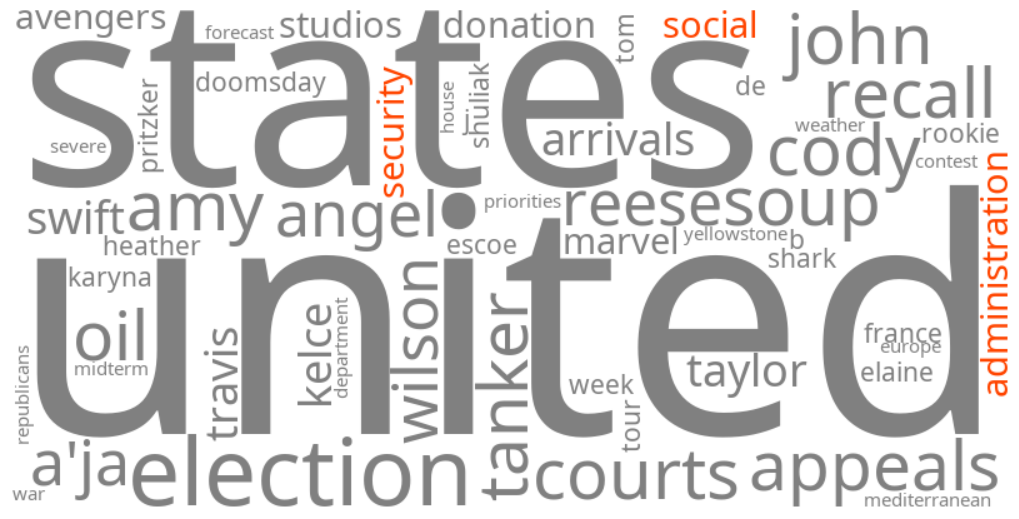
social security administration
Summary (tl;dr)
The Social Security Administration is trending due to renewed concerns over the solvency of its trust funds, following the release of the 2026 Trustees Report projecting earlier-than-expected depletion, alongside a controversy involving a "politicized" email sent by the Social Security Commissioner.
Essential Background
The Social Security Administration (SSA) is an independent U.S. federal agency responsible for administering the nation's Social Security program, which provides vital retirement, disability, and survivor benefits to millions of Americans. It also manages the Supplemental Security Income (SSI) program, offering financial aid to low-income individuals. Funded primarily through payroll taxes, the long-term financial health and solvency of Social Security's trust funds are regularly assessed, and projections of future insolvency have been a persistent national concern, signaling potential benefit reductions if no legislative action is taken.
The Full Story
"Social Security Administration" is currently a trending topic in July 2026 due to several significant developments. A primary driver is the recently published 2026 Social Security Trustees Report, which now projects the Old-Age and Survivors Insurance (OASI) trust fund to be depleted in 2032, a year sooner than previously estimated, with the combined Old-Age, Survivors, and Disability Insurance (OASDI) trust fund anticipated to run out in 2034. This accelerated timeline has intensified discussions among policymakers and the public regarding the urgent need for congressional intervention to avert potential benefit cuts.
Adding to the public discourse, Social Security Commissioner Frank J. Bisignano is facing criticism from Senate Democrats over an email sent on July 2, 2026, to millions of beneficiaries. The Democrats allege that the email contains "politicized messages" and "misleading information" by inaccurately crediting Republican lawmakers and President Trump's "One Big Beautiful Bill Act" for tax credits.
Furthermore, beneficiaries are closely monitoring forecasts for the 2027 Cost-of-Living Adjustment (COLA), with current predictions suggesting an increase between 3.6% and 3.8%. The SSA also transmitted its 2026 Annual Report of the Supplemental Security Income Program on July 24, outlining service improvements, and issued its regular July 2026 payment schedule, which included adjusted dates for some payments due to the Independence Day holiday and August 1st falling on a weekend for SSI payments.
Why It Matters
The trending discussions around Social Security's solvency are critically important as they directly affect the financial well-being of over 66 million Americans who depend on these benefits for their retirement, disability, or as survivors. Without congressional action, projected shortfalls could lead to significant reductions in future payments, impacting beneficiaries' ability to cover essential living expenses. The political controversy surrounding the Commissioner's email highlights the sensitive nature of communications related to Social Security, especially given the program's vital role and ongoing financial challenges. Moreover, COLA projections are crucial for beneficiaries to plan their finances, as these adjustments help to offset inflation and maintain their purchasing power. These combined developments underscore the pressing need for sustainable solutions to ensure the long-term stability and reliability of this fundamental federal program.
Geographic Location
- Woodlawn, Baltimore County, Maryland, United States (Social Security Administration headquarters, where the 2026 Annual Report of the Supplemental Security Income Program was transmitted and where Commissioner Frank J. Bisignano operates from)
- Washington, D.C., District of Columbia, United States (U.S. Senate, where discussions on Social Security solvency are taking place and where Senate Democrats criticized Commissioner Bisignano's email)