 Other
Otherdr fauci
Summary (tl;dr)
Dr. Anthony Fauci repeatedly invoked his Fifth Amendment right during a heated Senate committee hearing on Wednesday, refusing to answer questions about his conduct during the COVID-19 pandemic, prompting Republican senators to call for him to be held in contempt of Congress.
Essential Background
Dr. Anthony Fauci, former Director of the National Institute of Allergy and Infectious Diseases (NIAID), was a central figure in the U.S. response to the COVID-19 pandemic. Since his retirement in December 2022, he has been under intense scrutiny from Republican lawmakers, most notably Senator Rand Paul, regarding various aspects of his tenure. These ongoing investigations have focused on the origins of COVID-19, including the "lab leak" theory, the funding of gain-of-function research in Wuhan, China, and allegations that Fauci misled Congress and the public about pandemic policies and his own actions. In January 2025, former President Joe Biden issued Fauci a preemptive pardon for any potential federal offenses related to his COVID-19 response activities. Days before the recent hearing, Senator Paul's office released a collection of Fauci's personal diary entries, which Paul claimed revealed discrepancies between Fauci's private thoughts and public statements during the pandemic.
The Full Story
On Wednesday, July 29, 2026, Dr. Anthony Fauci appeared under subpoena before the Senate Homeland Security and Governmental Affairs Committee for a hearing chaired by Senator Rand Paul. During the nearly three-hour hearing, Fauci invoked his Fifth Amendment right against self-incrimination more than 100 times, declining to answer questions about accusations of covering up COVID-19's origins, funding risky research, and alleged self-dealings, including obtaining personal cash awards using federal resources. Fauci stated that his decision was a direct response to Senator Paul's "unhinged obsession" with prosecuting him and the recent public release of his private diaries, which Fauci perceived as an attempt to embarrass and intimidate him into perjury.
Republican senators, including Josh Hawley and Bernie Moreno, vigorously questioned Fauci. Senator Hawley accused Fauci of enriching himself during the pandemic and using federal employees to solicit over a million dollars in cash awards, calling him a "narcissist" and "megalomaniac". Senator Moreno pressed Fauci to apologize for the perceived harms caused by pandemic-era policies such as lockdowns and mask mandates, reflecting widespread public frustration. Conversely, Democratic senators like Gary Peters defended Fauci, characterizing the hearing as a partisan effort to validate "predetermined conclusions" rather than a legitimate search for truth. At the conclusion of the hearing, Senator Paul announced that the committee plans to vote next week on a resolution to hold Fauci in contempt of Congress for his refusal to answer questions, igniting further debate over whether his preemptive presidential pardon affects his Fifth Amendment rights.
Why It Matters
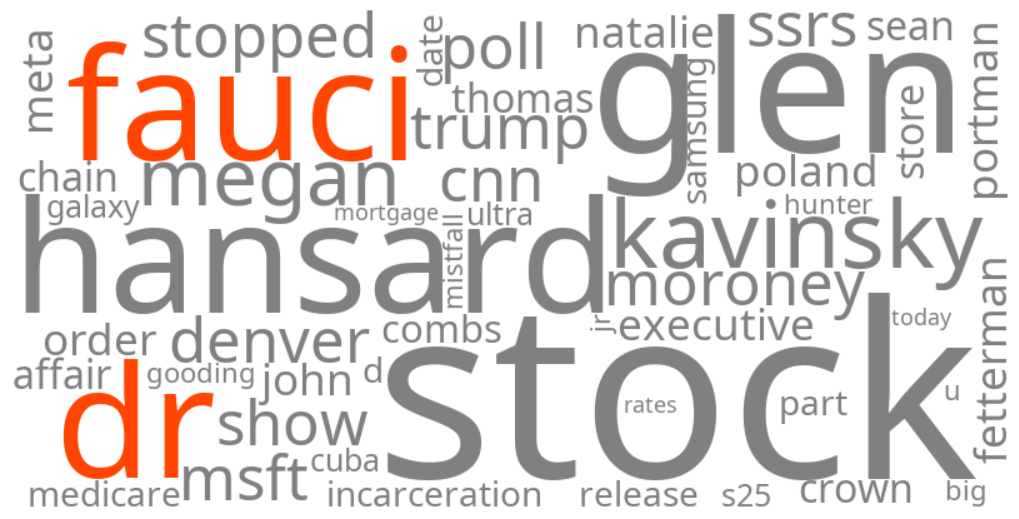
This ongoing controversy highlights deep-seated partisan divisions over the COVID-19 pandemic response and its broader implications for public health, scientific integrity, and government oversight. The repeated accusations against Dr. Fauci, including claims of cover-ups and personal misconduct, risk further eroding public trust in scientific institutions and government officials during future crises. Furthermore, the legal debate surrounding Fauci's use of the Fifth Amendment, particularly in light of a presidential pardon, raises significant questions about the scope of constitutional protections for witnesses in congressional investigations and could establish precedents for future high-profile inquiries. The public's sustained interest in these keywords reflects ongoing concerns about accountability for decisions made during the pandemic and their lasting societal impact.
Geographic Location
- Capitol Building, Washington, D.C., District of Columbia, United States (Senate Homeland Security and Governmental Affairs Committee hearing)