 Business and Finance
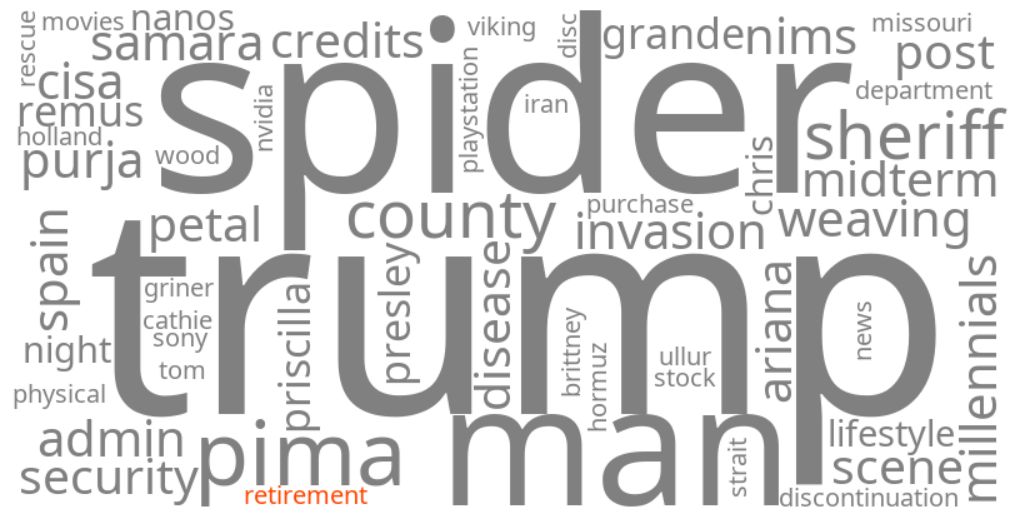
retirement
Summary (tl;dr)
"Retirement" is trending due to persistent inflation and rising living costs which are eroding savings and increasing financial anxiety for both current retirees and those approaching retirement, leading to widespread concerns about long-term financial security.
Essential Background
Historically, many individuals relied on traditional pensions and stable economic conditions for a secure retirement. However, over recent decades, there has been a significant shift towards defined contribution plans, such as 401(k)s, placing greater personal responsibility on individuals to manage their retirement savings and generate income. This shift, combined with increasing life expectancies and prior periods of economic volatility, has made retirement planning a more complex and often daunting endeavor.
The Full Story
The keyword "retirement" is trending primarily because persistent inflation, particularly in housing and healthcare costs, is significantly reducing the purchasing power of retirement savings and income, making traditional retirement calculations increasingly insufficient. This economic pressure has led to a noticeable decline in retirement confidence among Americans, especially middle-income individuals and the first wave of Generation X, many of whom express heightened financial anxiety about their future.
As a result, many workers now anticipate retiring later or plan to work during their retirement years to ensure financial stability, although a considerable number are also retiring earlier than planned due to health issues or job loss. In response, the retirement industry is adapting, focusing on evolving defined contribution plans into "individualized pensions" designed to offer more structured, professionally managed, and lifetime income solutions. This evolution is partly driven by recent legislative efforts, such as SECURE 2.0. For 2026, the IRS has adjusted contribution limits for retirement accounts, allowing individuals to save more.
Why It Matters
This trend is significant because it highlights a growing crisis in financial security for a substantial portion of the population, including current retirees and those nearing retirement. The erosion of savings by inflation and declining confidence can lead to increased financial hardship and stress. It also underscores mounting concerns about the long-term viability of federal safety nets like Social Security and Medicare. The current environment emphasizes the critical importance of proactive, personalized financial planning and the need for individuals to seek professional guidance to navigate complex investment strategies and ensure their savings can withstand economic volatility over longer retirement periods.
Geographic Location
- United States (widespread concerns about inflation, retirement savings, Social Security, and Medicare affecting workers and retirees; various surveys and financial outlooks conducted nationwide)
- New York, New York, United States (publication of Global Atlantic's 2026 Retirement Outlook Survey)
- Carmel, Hamilton County, Indiana, United States (CNO Financial Group's consumer sentiment survey on retirement confidence conducted)
- Washington, D.C., District of Columbia, United States (Department of Labor issued guidance on PEPs; Internal Revenue Service (IRS) adjusts tax brackets and contribution limits annually for inflation; Social Security Administration (SSA) announces COLA boost)