 Law and Government
visa
Summary (tl;dr)
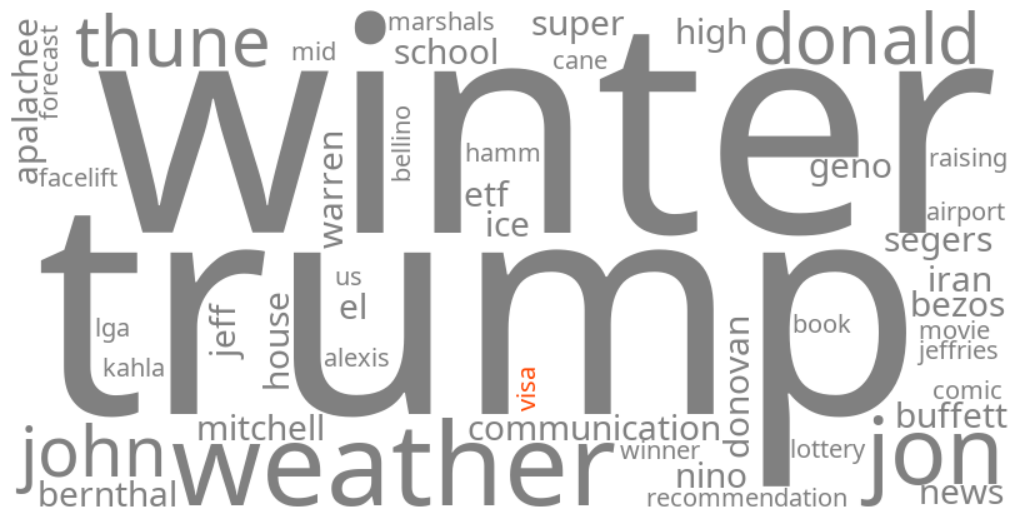
The keyword "visa" is trending due to significant and widespread updates in U.S. immigration policy, including the release of the August 2026 Visa Bulletin impacting green card applicants, the permanent establishment of a visa bond program, and new fixed admission periods for student and exchange visitor visas.
Essential Background
U.S. immigration policy is continuously updated by federal agencies such as the Department of State (DOS) and the Department of Homeland Security (DHS) to manage legal immigration, temporary stays, and national security. These updates often involve changes to visa availability, application processes, and entry requirements, regularly affecting millions of individuals globally.
The Full Story
August 2026 has seen several critical developments in U.S. visa and immigration law. The U.S. Department of State has released its August 2026 Visa Bulletin, detailing the monthly availability of immigrant visa numbers for family-sponsored and employment-based green cards. While some categories show modest advancements, the bulletin also warns of potential retrogression or unavailability for high-demand countries like India, China, and the Philippines, particularly for employment-based visas.
Additionally, the Department of State has made its Visa Bond Pilot Program permanent, effective August 3, 2026. This program requires certain B-1/B-2 visa applicants, predominantly from 50 African countries, to post a bond of up to $20,000 to guarantee compliance with their visa terms. Furthermore, on September 15, 2026, a new Department of Homeland Security (DHS) rule will take effect, replacing the "duration of status" for F (student), J (exchange visitor), and I (foreign information media) nonimmigrants with a fixed admission period, introducing new requirements for extensions of stay.
Other notable updates include U.S. Citizenship and Immigration Services (USCIS) announcing that the H-1B visa cap for Fiscal Year 2027 has been reached, the DHS rescinding a 2022 public charge regulation for more individualized assessments, and the State Department realigning routine visa services to regional hubs in numerous African countries as of August 1, 2026.
Why It Matters
These comprehensive changes significantly impact aspiring immigrants, temporary visitors, and international students and exchange visitors, altering eligibility, financial obligations, and administrative procedures. The fluctuations in the Visa Bulletin directly influence the arduous wait times for green card applicants, while the permanent visa bond program introduces a substantial financial barrier for travelers from affected nations. The transition from "duration of status" to fixed admission periods for students and exchange visitors necessitates diligent monitoring of authorized stays and new application protocols for extensions, potentially disrupting academic and professional trajectories. Collectively, these developments highlight a continuously evolving and often more stringent landscape in U.S. immigration policy, generating considerable interest and concern among those affected and immigration legal professionals worldwide.
Geographic Location
- Washington, D.C., District of Columbia, United States (U.S. Department of State and Department of Homeland Security announcements and policy changes)
- Various countries in Africa (implementation of permanent Visa Bond Program and realignment of U.S. visa services to regional hubs)
- Mainland China, India, Mexico, Philippines (countries significantly affected by employment-based and family-sponsored visa backlogs and availability in the August 2026 Visa Bulletin)
- New York City, New York, United States (children losing legal representation outside immigration court at Jacob K. Javits Federal Building)