 Business and Finance
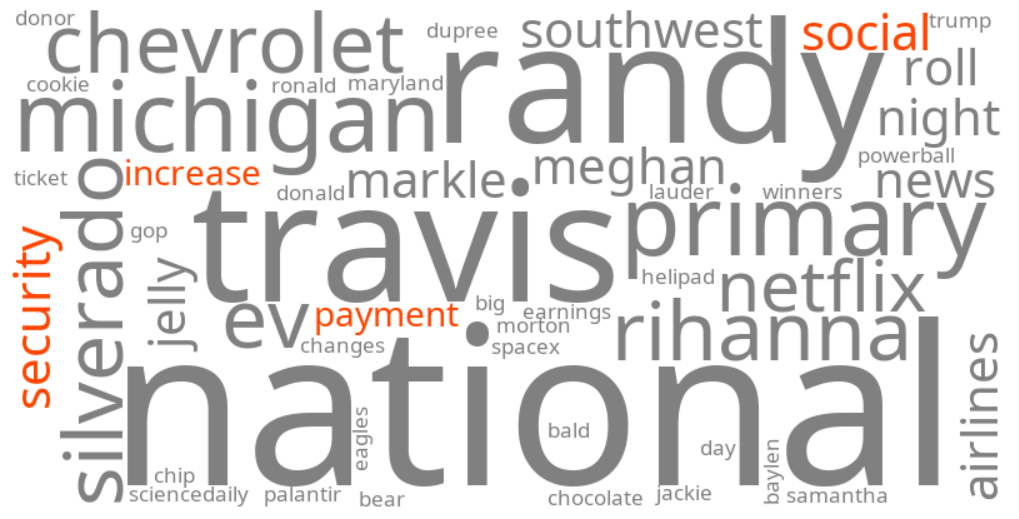
2027 social security payment increase
Summary (tl;dr)
Discussions and forecasts about a potential Cost-of-Living Adjustment (COLA) for Social Security payments in 2027 are trending as various organizations predict increases of 3.6% to 3.8%. This comes amid ongoing concerns about the long-term financial health of the Social Security program and legislative efforts to address its solvency.
Essential Background
Social Security is a vital federal program in the United States that provides retirement, disability, and survivor benefits to millions of Americans. Its payments are adjusted annually through a Cost-of-Living Adjustment (COLA) to help beneficiaries keep pace with inflation. This adjustment is calculated based on changes in consumer prices, specifically using inflation data from July, August, and September of the current year, with the official announcement typically made in October. The program is funded primarily through payroll taxes, but its long-term solvency has been a recurring concern, with projections indicating that its trust funds could face depletion in the coming years if no legislative action is taken.
The Full Story
"2027 Social Security payment increase" is trending because several organizations are releasing their early projections for the 2027 Cost-of-Living Adjustment (COLA), with estimates ranging from 3.6% to 3.8%. For instance, AARP projects a 3.6% increase, while the Senior Citizens League (TSCL) forecasts 3.8%. These projected increases, which could add approximately $75 to $77 to the average monthly benefit, are notably higher than the 2.8% increase seen in 2026.
This trend is also driven by broader discussions and legislative efforts surrounding the long-term solvency of Social Security. The 2026 Social Security Trustees Report projected that the Old-Age and Survivors Insurance (OASI) Trust Fund could be depleted by the fourth quarter of 2032, and the combined OASI and Disability Insurance (DI) Trust Funds by the third quarter of 2034, if Congress does not act. Without intervention, this would result in an automatic reduction of benefits to about 78-83% of scheduled amounts. In response, legislation like the Social Security 2100 Act has been reintroduced in Congress, proposing changes such as benefit increases, adjustments to COLA calculations, and increased payroll taxes on high earners to shore up the program's finances. Additionally, bipartisan bills like the Social Security Commission Act of 2026 have been introduced to create a commission to develop solutions for the program's long-term financial health.
Why It Matters
The trending discussions about the 2027 Social Security payment increase are critical because these adjustments directly impact the financial well-being of millions of retirees, people with disabilities, and their families who rely on these benefits to cover daily expenses. A higher COLA can provide much-needed relief from inflation, which has been a concern in recent years, particularly for seniors whose expenses, such as healthcare, can rise significantly. Conversely, uncertainty about future increases and the long-term stability of the program creates anxiety among current and future beneficiaries.
The looming depletion of the Social Security trust funds by the early to mid-2030s, coupled with proposals for legislative reform, highlights the urgency of addressing the program's financial challenges. The outcome of these policy debates will determine whether future generations receive the full benefits they are currently promised and how the burden of solvency is distributed among different segments of the population. The "2027 social security payment increase" keyword trending reflects public interest in both immediate financial relief and the foundational reforms needed to ensure the program's future viability.
Geographic Location
- Washington, D.C., District of Columbia, United States (congressional discussions and legislative proposals regarding Social Security solvency and benefit adjustments)
- Baltimore, Maryland, United States (Social Security Administration headquarters, responsible for official COLA announcements and managing the program)