 Other
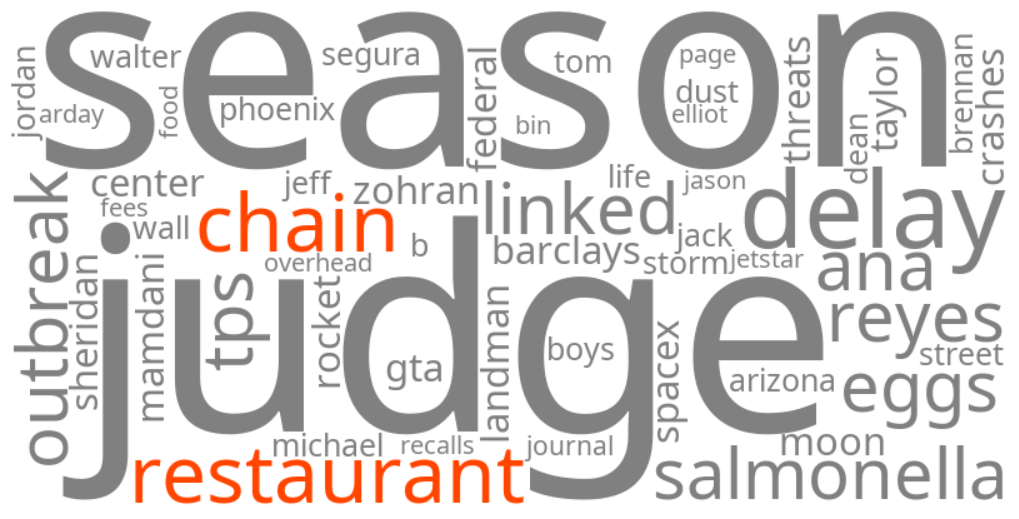
Otherrestaurant chain
Summary (tl;dr)
The "restaurant chain" keyword is trending as the industry grapples with persistent economic pressures from high inflation and severe labor shortages, leading to widespread operational adjustments, including price increases, strategic closures, and a pivot towards technology and value promotions. A recent food safety investigation involving a salmonella outbreak at major chains has also heightened public and industry attention.
Essential Background
The restaurant industry has been contending with significant headwinds for several years, largely intensified by the post-pandemic economic environment. Since 2019, total expenses for an average restaurant have surged by an estimated 36%, primarily driven by substantial increases in both food and labor costs. This consistent rise in operating expenses has significantly tightened already slim profit margins, which typically range from 3% to 9% for the sector, dropping to 3-5% for full-service establishments. Labor costs alone now account for over 25% of restaurant expenses, up from 23% in 2021.
The Full Story
Currently, "restaurant chains" are a trending topic due to their ongoing struggle with systemic labor shortages, rising costs, and a shift in consumer behavior driven by cumulative inflation. A December 2025 survey revealed that 54% of restaurant franchise leaders cite a shrinking labor pool as their biggest concern for 2026, with 78% of restaurants reporting being understaffed. Food and labor expenses are projected to continue rising in 2026, with food costs up 3.3% and general foodservice wage increases expected between 3% and 3.5%.
In response to these challenges, restaurant chains are implementing diverse strategies. Many are raising menu prices, with over 60% of the top 1,500 restaurant chains seeing growth that did not keep pace with the 28.8% menu price inflation between 2021 and 2025. Technology, particularly AI, is being adopted to improve labor efficiency, training, and scheduling. Some chains are strategically closing underperforming locations to streamline operations and boost profitability, such as Noodles & Company, which plans to close 30-35 company-owned restaurants in fiscal 2026. Meanwhile, others are focusing on growth in specific segments like fast-casual, coffee, and chicken concepts, with brands like Raising Cane's celebrating its 30th anniversary with new store openings across several states. Chains are also reviving value promotions, like Olive Garden's Pasta Pass, to attract increasingly price-sensitive consumers.
Adding to the industry's prominence, a recent salmonella outbreak linked to jalapeños has affected over 110 people in Minnesota and Colorado, prompting chains like Chipotle and Qdoba to proactively remove the peppers from their menus nationwide as investigations continue.
Why It Matters
This trend is significant because it reflects the ongoing adaptation of a massive industry to profound economic shifts and evolving consumer expectations. For consumers, it means potentially higher menu prices, changes in menu offerings, and a greater emphasis on value deals as chains vie for their business. For restaurant employees, the labor market remains tight, leading some chains to explore AI solutions for operational gaps. For the broader economy, the performance of restaurant chains is a key indicator of consumer spending health and inflationary pressures. The recent food safety incidents underscore the critical importance of supply chain vigilance and public health, directly impacting consumer trust and the operational procedures of major food service providers. The strategic choices made by these chains—whether through expansion, contraction, or technological adoption—will shape the future landscape of dining out.
Geographic Location
- United States (Restaurant chains nationwide facing inflation, labor shortages, and strategic changes)
- Minnesota, United States (Salmonella outbreak affecting 110 people, leading to Chipotle and Qdoba removing jalapeños)
- Colorado, United States (110 cases associated with the Salmonella outbreak)
- California, United States (Minimum wage hikes impacting labor costs for restaurant chains)
- Rocky Mount, North Carolina, United States (New Raising Cane's restaurant opening)
- Statesboro, Georgia, United States (New Raising Cane's restaurant opening)
- Los Angeles, California, United States (Raising Cane's opened its 1,000th location)
- Chicago, Illinois, United States (National Restaurant Association Show addressing industry challenges)