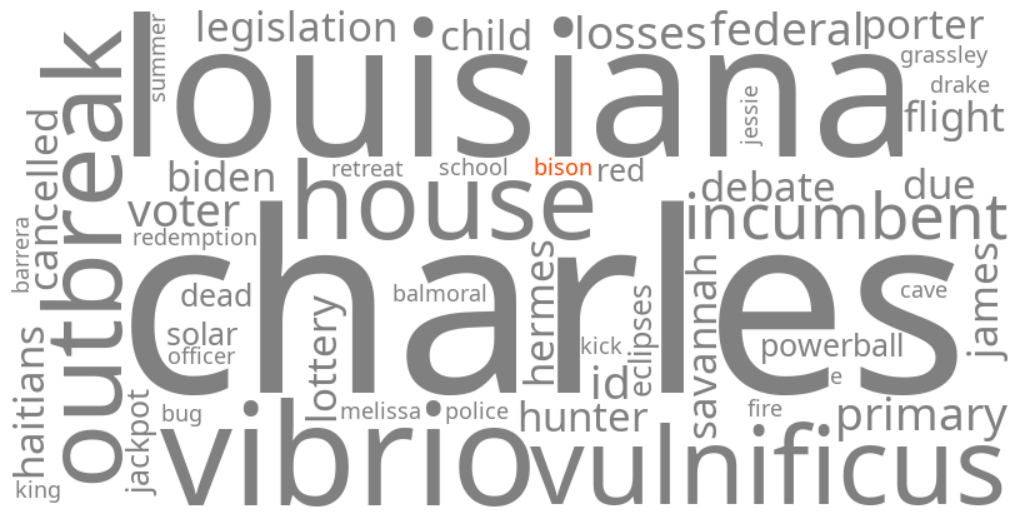
 Other
Otherbison
Summary (tl;dr)
Recent weeks have seen a surge in bison-related incidents at Yellowstone National Park, with multiple tourists sustaining injuries after approaching the wild animals, leading to increased public attention and concern.
Essential Background
American bison, once nearly hunted to extinction in the 19th century, have made a significant recovery through dedicated conservation efforts, largely thanks to protected populations in areas like Yellowstone National Park and successful reintroduction programs to tribal lands across North America. Bison are now recognized as the national mammal of the United States and are a vital part of grassland ecosystems and Indigenous cultures. The animals, however, are powerful and unpredictable wild creatures.
The Full Story
The keyword "bison" is trending due to a concerning rise in aggressive encounters between these animals and visitors at Yellowstone National Park. In recent weeks, several tourists have been injured after getting too close to bison, despite park regulations advising a safe distance of at least 25 yards. Incidents reported in July and August 2026 include a 12-year-old child being injured near Mud Volcano, a 65-year-old man being thrown eight feet into the air at Bridge Bay Campground and sustaining a broken femur, and a child being chased on a boardwalk. These incidents often occur when visitors fail to respect the animals' space, particularly during the bison's rutting (mating) season, which runs from June to September and can make bulls more agitated. Park officials have repeatedly cautioned visitors about the unpredictable nature of bison, emphasizing that they are wild animals capable of running three times faster than humans.
Why It Matters
The increasing number of bison attacks highlights ongoing challenges in managing human-wildlife interactions in popular national parks. These incidents pose significant safety risks to visitors, underscore the importance of adhering to park safety guidelines, and generate discussions about responsible tourism and wildlife viewing. Beyond the immediate safety concerns, the trending interest in bison also draws attention to their broader ecological role and the continuing successes of conservation programs that have brought the species back from the brink of extinction, including historic transfers of Yellowstone bison to various Native American tribal lands.
Geographic Location
- Yellowstone National Park, Wyoming/Montana/Idaho, United States (multiple bison-human encounters and injuries)
- Mud Volcano, Yellowstone National Park, Wyoming, United States (12-year-old child injured by bison)
- Nez Perce Creek, Yellowstone National Park, Wyoming, United States (woman had close encounter with charging bison)
- Bridge Bay Campground, Yellowstone National Park, Wyoming, United States (65-year-old man seriously injured after being tossed by a bison)