 Politics
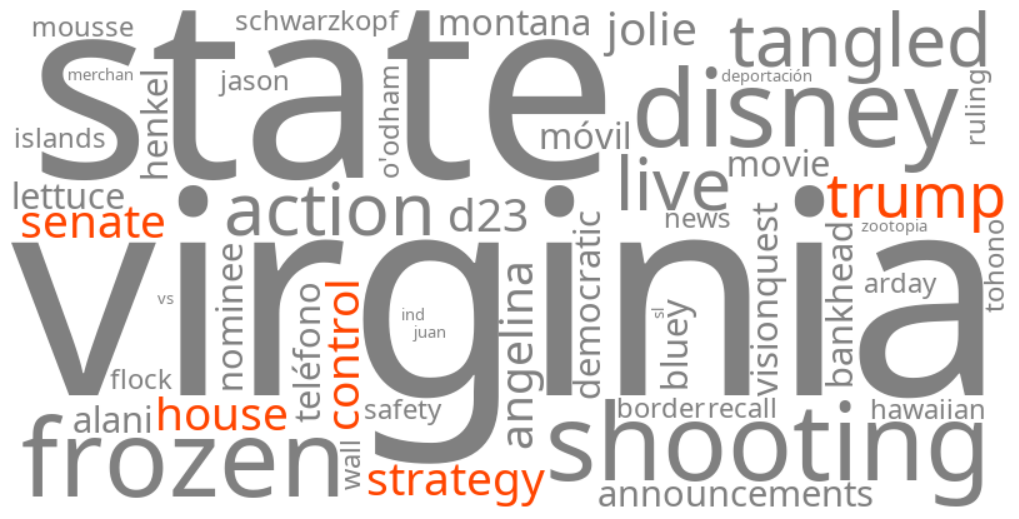
trump strategy house senate control
Summary (tl;dr)
Keywords surrounding "Trump strategy house senate control" are trending as former President Donald Trump and the Republican Party are actively implementing multi-faceted strategies to maintain or gain control of the House and Senate in the upcoming November 2026 midterm elections. This includes efforts to influence election rules and administration, drawing significant attention and concern.
Essential Background
In the United States, control of the House of Representatives and the Senate is crucial for a president to advance their legislative agenda. The 2026 midterm elections will see all 435 House seats and 33 of the 100 Senate seats contested. Historically, the party holding the presidency often loses seats in Congress during midterm elections. Republicans currently hold a narrow majority in both chambers: 218-212 in the House and 53-47 in the Senate. Donald Trump, as President, has continued to exert significant influence over the Republican Party and its electoral strategies.
The Full Story
The trending interest in "Trump strategy house senate control" stems from ongoing and intensified efforts by President Donald Trump and his administration to influence the 2026 midterm elections. A key aspect of this involves a multi-pronged plan, including 15 interlocking tactics, aimed at entrenching Republican power by making it harder for eligible Americans to vote.
This strategy includes repeatedly casting doubt on election integrity, leveraging disinformation to justify nationalizing elections, and installing loyalists in key government positions related to election security. The administration has proposed legislation, such as the "Save Act," to change election rules, including voter identification and mail-in voting provisions, which critics argue would give the federal government undue control over state-run elections. There are also efforts to restrict voting by mail and to engage in gerrymandering to create congressional districts favorable to Republicans. Recently, President Trump has also authorized millions of dollars from his personal PAC to support vulnerable Republican candidates.
Why It Matters
The outcome of the 2026 midterm elections will significantly impact President Trump's ability to implement his legislative agenda and could determine the extent of congressional oversight on his administration. If Republicans were to lose control of either the House or the Senate, it would likely halt his legislative initiatives and open the door to increased investigations and accountability hearings. Concerns are also high regarding the constitutional implications of the administration's attempts to assert federal authority over elections, traditionally managed by individual states. Critics argue these strategies undermine democratic processes and the integrity of future elections.
Geographic Location
- Capitol Building, Washington, D.C., District of Columbia, United States (location of the U.S. House of Representatives and Senate, where legislative efforts and control are contested)
- The White House, Washington, D.C., District of Columbia, United States (origin of the Trump administration's strategies)
- Pasadena, Los Angeles County, California, United States (example of voters casting ballots in a primary election, illustrating election administration)
- Austin, Travis County, Texas, United States (state at the forefront of gerrymandering efforts and a site of a significant primary runoff election influenced by President Trump)
- Phoenix, Maricopa County, Arizona, United States (location where the Secretary of State commented on White House efforts to influence elections)
- Washington, D.C., District of Columbia, United States (location of the U.S. Supreme Court, relevant to the Louisiana v. Callais case regarding voting rights)