 Politics
iran has lost significant control of the strait of hormuz
Summary (tl;dr)
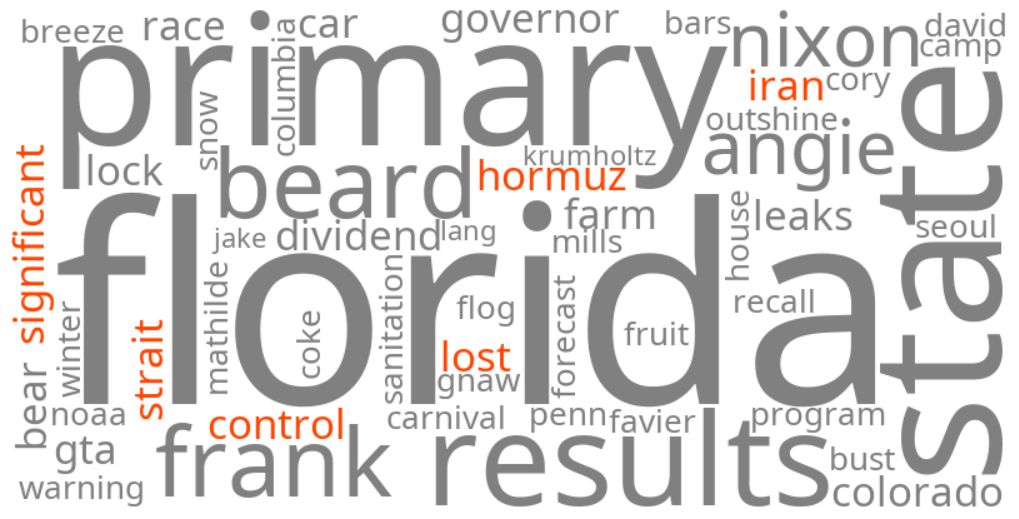
Keywords related to Iran losing control of the Strait of Hormuz are trending due to ongoing military actions by Iran against commercial shipping, the expiration of a critical ceasefire agreement, and a significant shift of maritime traffic to a UN-authorized route along Oman's coast under U.S. protection.
Essential Background
Tensions surrounding the Strait of Hormuz, a vital global oil and gas transit point, significantly escalated following US-Israeli airstrikes on Iran in February 2026, which led Iran to declare a closure or partial blockade of the waterway. A temporary memorandum of understanding (MOU) was signed between the U.S. and Iran in June 2026, aiming to reopen the strait and establish a ceasefire, but this agreement was repeatedly violated and ultimately expired in August 2026 without a lasting resolution.
The Full Story
In August 2026, concerns are mounting over Iran's diminishing control of the Strait of Hormuz as maritime traffic increasingly bypasses the traditional Iranian-controlled routes. Shipping analytics firm Kpler reports that over 80% of vessels transiting the strait in the past two weeks have utilized a UN-authorized Omani shipping route, which Iran opposes. This shift indicates a weakening of Iran's ability to enforce its declared control and collect tolls, a practice it resumed after the June MOU expired. Concurrently, Iran has continued to attack commercial ships in the strait, firing ballistic missiles and hitting vessels, including one incident in August 2026 that damaged an engine room and resulted in a crew casualty. The United States Navy is actively patrolling the Omani route, offering protection to vessels and contributing to the perception that the U.S. is gaining influence over the waterway.
Why It Matters
The contested control of the Strait of Hormuz has significant global implications, particularly for energy markets. The strait is a crucial chokepoint through which approximately one-fifth of the world's oil and liquefied natural gas (LNG) transited before the current conflict. The ongoing disruptions, including frequent attacks on vessels and reduced shipping activity, have already led to sharp increases in crude oil prices, with Brent crude surpassing $100 per barrel in March 2026 and remaining elevated. The situation fosters regional instability, with the United Arab Emirates ceasing trade with Iran following missile attacks and Saudi Arabia's oil exports facing blockades in the Red Sea by Yemeni Houthis. The struggle for control also highlights the challenges to international maritime law and freedom of navigation in critical waterways.
Geographic Location
- Strait of Hormuz (contested control, vessel attacks, shifting shipping routes)
- Waters off the coast of Oman, Gulf of Oman (location of the UN-authorized Omani shipping route, site of vessel attacks)
- Iranian ports (subject to US blockade)
- United Arab Emirates (target of Iranian missile attacks, cutting trade with Iran)